
Call us now :08045815486
 Send Inquiry
 Send Inquiry
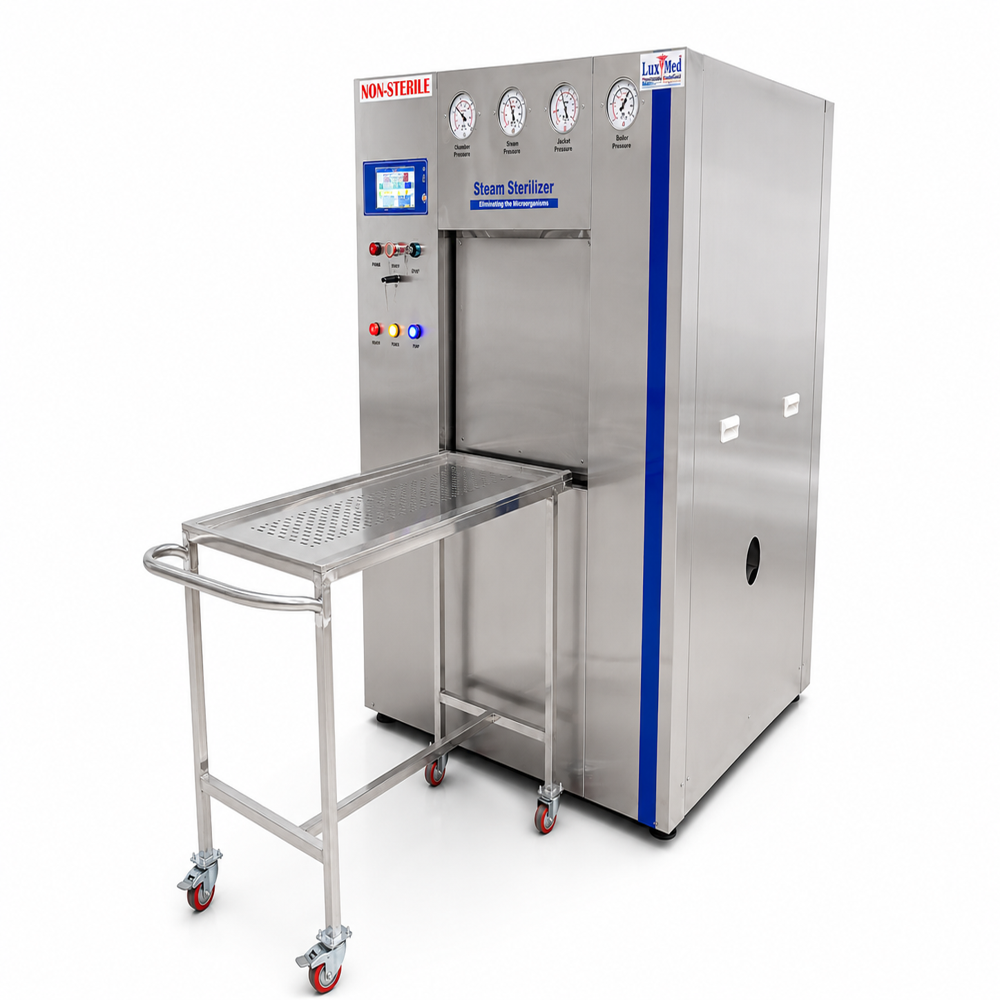
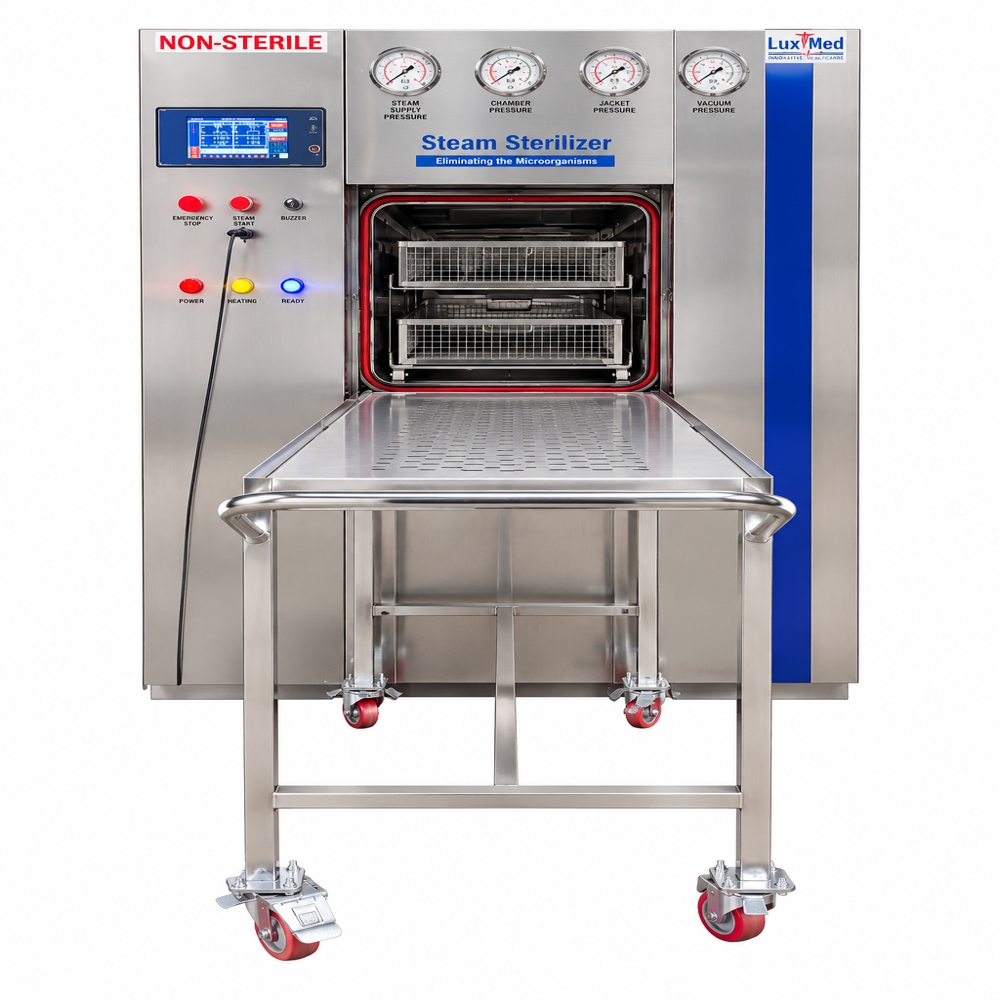
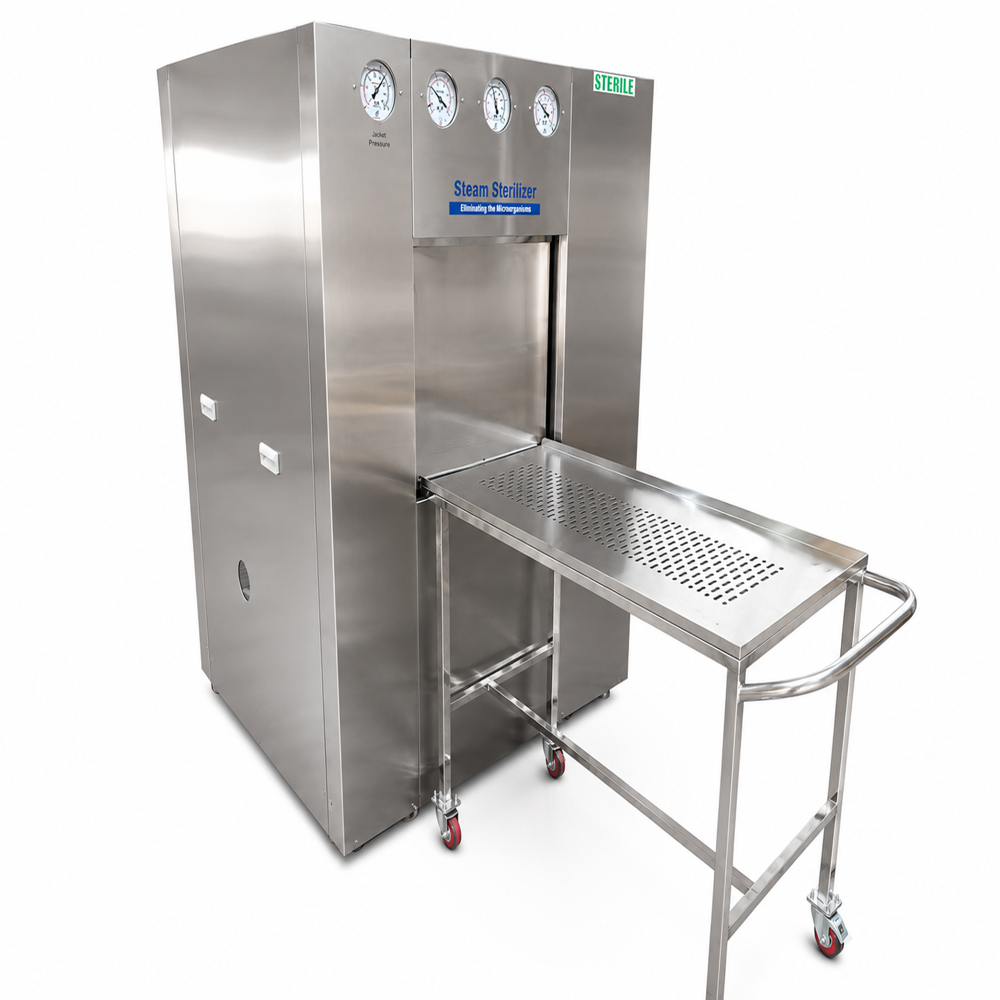
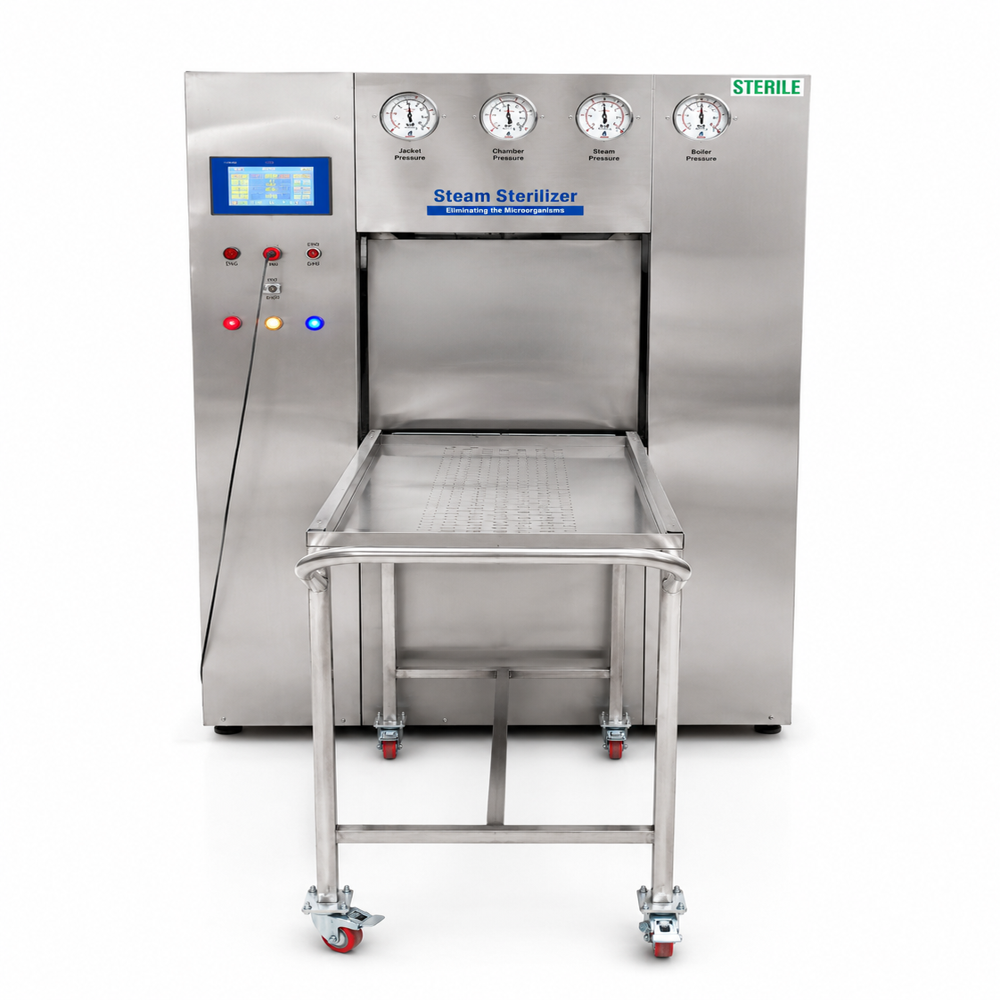
Horizontal Sliding Door Rectangular Steam Sterilizer
Price 510000.00 INR/ Piece
MOQ : 1 Piece
Horizontal Sliding Door Rectangular Steam Sterilizer Specification
- Material
- SS 304
- Type
- Horizontal cylindrical chamber, single or double door
- Chamber Size
- 600mm x 600mm x 1200mm (LxWxH), customizable
- Chamber Thickness
- 6 mm SUS 316L stainless steel
- Outer Size
- 1800mm x 1200mm x 1000mm (custom sizes available)
- Compressed Air
- 5-7 kg/cm2 required for operation
- Door Type
- Fully automatic horizontal sliding door
- Design Pressure
- 2.5 kg/cm2
- Working Pressure
- 2.1 kg/cm2
- Design Temperature
- 150C
- Heat Uniform
- 2C throughout the chamber
- Insulation
- High-density mineral wool, 50mm thick
- Net Weight
- Approximately 850 kg
- Recording Parameters
- Digital chartless recorder with USB and printer outputs
- Spraying Mode
- Automatic, multipoint spray system
- Outer Trolley
- Stainless steel, removable and autoclavable
- Inner Trolley
- Perforated stainless steel for enhanced steam penetration
- Spraying Piping
- 304/316L stainless steel for uniform spraying
- Steam
- Utility steam or clean steam connection
- Sterilizing Temperature
- 121C - 134C
- Working Temperature
- 121C to 134C
- Sterilization Time
- 15-60 minutes (user programmable)
- Temperature Scope
- Up to 150C
- Piping System
- Sanitary grade stainless steel with tri-clamp fittings
- Valves
- Pneumatically controlled, sanitary grade
- Power Consumption
- 6 kW (for electrical controls and automation)
- Power Supply
- 230V / 415V, 50Hz, 1 or 3 phase
- Sterilization Modes
- Gravity, Pre-vacuum, and Drying cycle
- Material of Construction
- Chamber and jacket in SS 316L/304
- Software Compliance
- 21 CFR part 11 ready for electronic records
- Control System
- Microprocessor-based PLC with color touchscreen HMI
- Safety Features
- Automatic overpressure and over-temperature cut-off, door interlock
- Chamber Volume
- 432 liters (custom configurations available)
- Water Consumption
- Approx. 30 liters per cycle
- Accessories
- Removable racks, basket, loading trolley
- Printer Interface
- Real-time batch and cycle documentation printer
- Surface Finish
- Mirror polish inside, satin finish outside
- Alarms
- Audio-visual for cycle completion, error, and door open
- Gasket
- Silicone food-grade, pneumatically operated
Horizontal Sliding Door Rectangular Steam Sterilizer Trade Information
- Minimum Order Quantity
- 1 Piece
- Delivery Time
- 10 Days
About Horizontal Sliding Door Rectangular Steam Sterilizer
Sliding double door steam sterilizer is commonly referred to by several alternative names, technical descriptions, and industry terms depending on its configuration and application, including double-door pass-through autoclave, HPHV (High-Pressure High-Vacuum) double-door sterilizer, and barrier autoclave. Pass-Through Autoclave: Named for its double-door feature allowing loading from a non-sterile (dirty) side and unloading from a sterile (clean) side. Barrier Sterilizer / Bio-Seal Autoclave: Often used in high-containment laboratories (BSL-3/BSL-4) or pharmaceutical cleanrooms to maintain a physical and microbiological barrier between environments. Horizontal Rectangular Steam Sterilizer: Describes the chamber geometry typical of large-capacity sliding-door units. CSSD Sterilizer: Frequently referenced by its placement in a hospital's Central Sterile Services Department. Pulse Vacuum Dual-Door Sterilizer: Highlights the automated air-removal vacuum feature utilized prior to steam injection. LuxMed Sliding Double Door Steam Sterilizer is a heavy-duty, pass-through autoclave designed for hospitals, central sterile services departments (CSSD), and pharmaceutical labs to safely process bulk loads between clean and unsterile zones. Key Features Pass-Through Design: Double doors allow loading from the unclean/utility side and unloading from the sterile cleanroom side, preventing cross-contamination. Automatic Sliding Doors: Pneumatic or motorized vertical/horizontal sliding doors replace heavy manual hinged doors for ease of use. Chamber Build: Heavy-gauge stainless steel (SS 304 or SS 316) built to withstand high pressure and vacuum cycles. Temperature & Pressure: Standard operating range typically spans from 121C to 134C (pressure up to 200300 kPa / 3 bar). Capacity: Available in large capacities ranging from 150 liters up to 1,500+ liters. Safety Mechanisms Interlock System: Prevents both doors from opening at the same time. Pressure Lock: Blocks door opening while the chamber remains pressurized. Obstruction Sensors: Automatically halts or reverses door movement if an object or user is detected in the path. Low-Water Cutoff: Protects built-in steam generators from dry-burn damage. Applications Sterilization of wrapped or unwrapped surgical instruments. Processing glass vessels, rubber goods, and lab utensils. Pharmaceutical vial and ampoule sterilization. LuxMed sliding double-door steam sterilizer (pass-through autoclave) is a high-capacity institutional system used between a cleanroom/sterile side and an unclean/loading side in hospitals, CSSD (Central Sterile Services Department), and pharmaceutical labs to prevent cross-contamination. Design & Construction Chamber Build: Heavy-duty, corrosion-resistant stainless steel (AISI 304 or 316/316L grade). Door Mechanism: Automatic horizontal or vertical sliding doors (pneumatic or motorized) with manual override options for power outages. Gasket Sealing: Air-actuated or pneumatic heat-resistant silicone rubber gaskets ensuring a hermetic seal. Insulation: High-density mineral wool or rockwool insulation covered with a stainless steel outer jacket to minimize heat radiation. Technical Parameters Operating Temperature: 121C to 134C Working Pressure: 1.2 to 2.2 bar (approx. 100200 kPa / 1530 PSI) Capacity Range: Typically available from 150 liters up to 1,200+ liters depending on facility requirements. Control System: PLC or microprocessor-based touch control panels with digital cycle tracking Safety & Interlock Features Interlocking Doors: Dual doors cannot be opened simultaneously; the clean-side door only unlocks after a successful, verified sterilization cycle. Pressure Lock: Prevents doors from opening while the internal chamber is pressurized or at a high temperature. Obstruction Sensor: Reverses or stops sliding door motion immediately if an obstacle or user is detected. Low-Water Cutoff: Protects internal electric steam generators from dry-burn damage.Advanced Control and Safety
The sterilizer is powered by a sophisticated microprocessor-based PLC with a user-friendly color touchscreen HMI, allowing seamless operation and monitoring. Safety measures such as automatic overpressure/over-temperature cut-off, secure door interlock, and comprehensive audio-visual alarms safeguard both the operator and load throughout the process.
Optimal Performance and Customizability
Offering gravity, pre-vacuum, and drying sterilization cycles, the system ensures thorough decontamination with uniform heat distribution. Custom chamber volumes and dimensions are available to adapt to various operational needs. The high-quality stainless steel construction (SS 316L/304) and precision-engineered insulation guarantee lasting performance and efficient energy use.
Intelligent Data Handling and Compliance
The sterilizer supports real-time batch and cycle documentation via printer and USB outputs, fulfilling electronic record requirements under 21 CFR Part 11. This digital chartless recording ensures consistent and accurate data retrieval for audit and compliance demands in regulated environments.
FAQ's of Horizontal Sliding Door Rectangular Steam Sterilizer:
Q: How does the horizontal sliding door system improve the sterilization process?
A: The fully automatic horizontal sliding door enhances operational efficiency by enabling hands-free loading and unloading, reducing contamination risk and improving workflow. It also features secure pneumatic control and interlock safety to prevent door opening during cycles.Q: What are the available sterilization modes and how do they benefit different applications?
A: The sterilizer offers gravity, pre-vacuum, and drying cycles. Gravity cycles are ideal for basic sterilization needs, pre-vacuum cycles enable effective penetration for complex or wrapped items, and the drying cycle ensures items are dry and ready for immediate use.Q: When should users schedule routine maintenance for optimal performance?
A: Routine maintenance should be scheduled every six months or after about 250 cycles to ensure that all pneumatic, gasket, and safety systems operate correctly. Following the manufacturer's guidelines maintains reliability and longevity.Q: Where can this steam sterilizer be installed?
A: This unit is suitable for installation in laboratories, hospitals, pharmaceutical manufacturing, and other environments requiring strict sterility. Its robust design can be tailored to fit custom spaces, with chamber and outer sizes configurable as needed.Q: What process controls enhance the machine's safety and documentation?
A: Key process controls include automatic overpressure and over-temperature cut-off, audio-visual alarms for cycle completion or errors, and a microprocessor-based PLC ensuring precise cycle management. Digital batch documentation and 21 CFR Part 11 readiness ensure compliance and traceability.Q: How is water and energy consumption managed during usage?
A: Each sterilization cycle uses approximately 30 liters of water and has a power consumption of 6 kW for control and automation. The high-density mineral wool insulation and sanitary-grade piping optimize thermal efficiency, reducing overall resource consumption.Q: What are the main benefits of using a mirror-polish SS 316L/304 chamber and jacket construction?
A: The mirror-polished SS 316L/304 interior ensures minimal residue adherence and easy cleaning, while offering excellent resistance to corrosion. This construction enhances durability, hygiene, and meets strict compliance standards in sterile environments.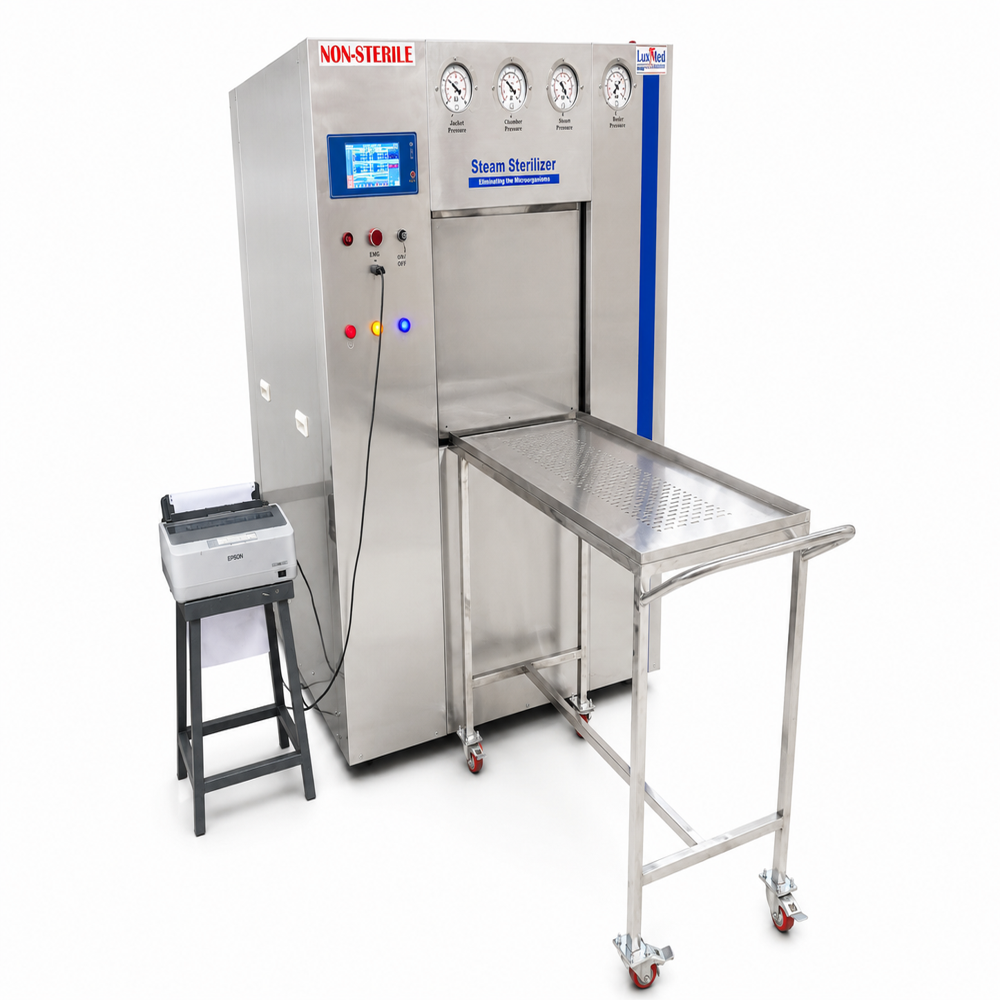
Tell us about your requirement

Price:
Quantity
Select Unit
- 50
- 100
- 200
- 250
- 500
- 1000+
Additional detail
Mobile number
Email

More Products in Hospital CSSD Equipment Category
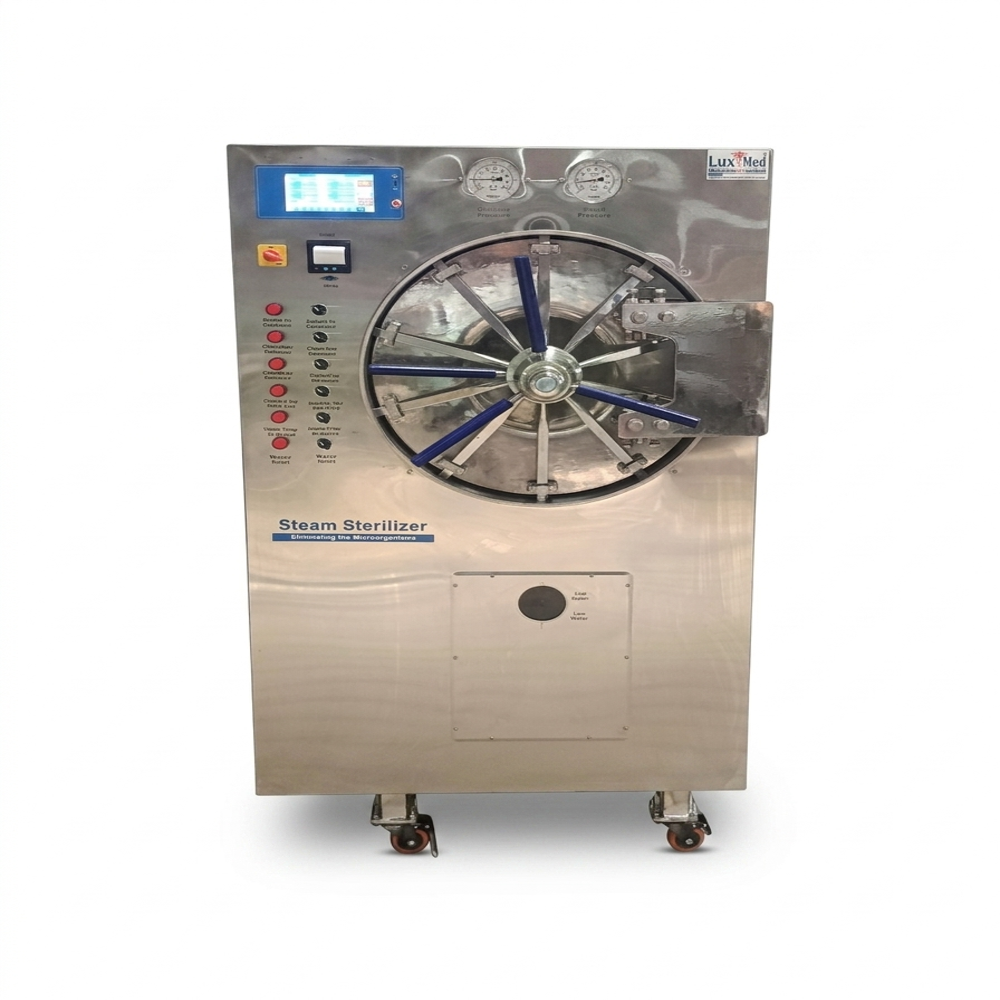
Cylindrical Steam Sterilizer Single Door
Price 550000.0 INR / Piece
Minimum Order Quantity : 1 Piece
Voltage : 220 Volt (v)
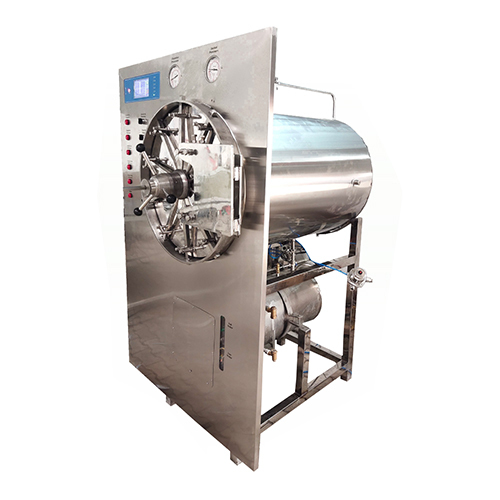
LuxMed Single Door Cylindrical Steam Sterilizer for High-Pressure Sterilization in Hospitals and Pharmaceutical Industries
Price 650000.0 INR / Piece
Minimum Order Quantity : 1 Unit
Voltage : 220240 Volt (v)
Usage : Industrial
Material : SS
Product Type : Cylindrical Steam Sterilizer
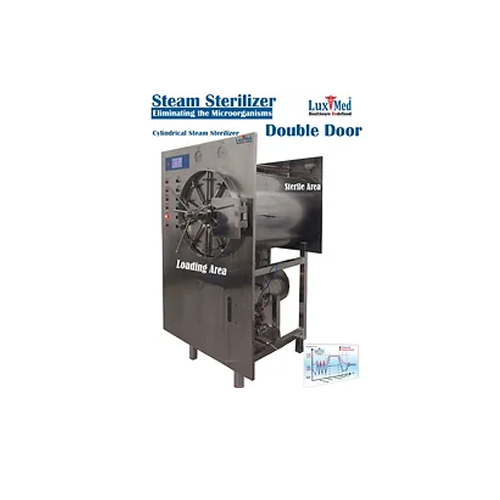
LuxMed Advanced Double Door Cylindrical Steam Sterilizer
Price 550000.0 INR / Piece
Minimum Order Quantity : 1 Number
Voltage : 220440 Volt (v)
Usage : Laboratory
Material : Stainless Steel
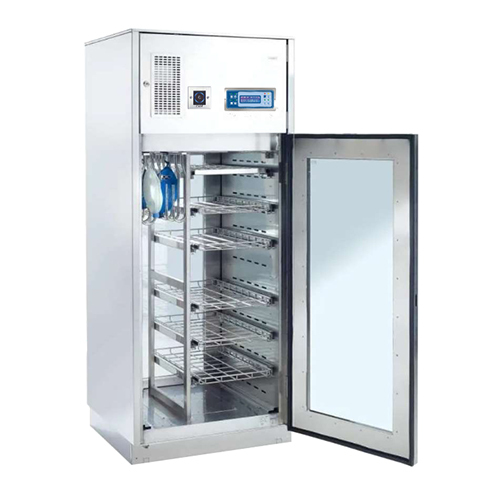
LuxMed Drying Cabinet (HEPA-Filtered)
Price 250000.0 INR / Unit
Minimum Order Quantity : 1 Unit
Voltage : 220240 Volt (v)
Usage : Industrial
Material : SS
Product Type : HEPAFiltered Dryong Cabinet

 Send Inquiry
Our Products


B 232, Ground Floor, Khasra No. 832, Chattarpur Extension,New Delhi - 110074, India

Mr. Ankit Jha
(CTO)
Mobile :08045815486
 Send Inquiry
 Send SMS
 Call Me Free
Developed and Managed by Infocom Network Private Limited.
