
Call us now :08045815486
 Send Inquiry
 Send Inquiry
LaboSys Bioreactor/ Fermenter
Price 1800000.0 INR/ Piece
MOQ : 1 Piece
LaboSys Bioreactor/ Fermenter Specification
- Control Type
- Automated PID Control
- Temperature Resistance
- Up to 150C
- Glass Type
- Borosilicate Glass
- Speed Range
- 50 - 1200 rpm
- Power Supply
- AC, 50/60 Hz
- Shape
- Cylindrical
- Accuracy
- 0.1C
- Heating Capacity
- 400 W (Heater mantle or jacket)
- Features
- Easy to Operate, Modular design, Autoclavable Vessel, Real-time monitoring
- Display Type
- Digital LCD Display
- Type
- Bioreactor / Fermenter
- Dimension (L*W*H)
- As per model specification
- Equipment Type
- Laboratory Bioreactor / Fermenter
- Equipment Materials
- Fermenter
- Color
- Grey
- Power
- 0.25 kW
- Voltage
- 220-240V
- Material
- Borosilicate Glass, Stainless steel 316/304
- Application
- Fermentation studies, Cell culture, Laboratory research
- Capacity (Ltr)
- 2 L, 3 L, 5 L, 7 L, 10 L (custom on request)
- Safety Features
- Over-temperature and Over-pressure Protection
- Ports
- Multiple- sensor, sampling, addition and exhaust ports
- pH Range
- 2.0 to 12.0 (with sensor port)
- Mounting
- Benchtop / Floor model
- Controller Interface
- Touchscreen / PLC based control
- Exhaust Condenser
- Integrated
- Compliance
- GMP/GLP Compatible
- Working Volume
- 70% to 80% of total vessel volume
- Temperature Control Range
- Room temp. to 65C (with cooling/water jacket)
- Agitation System
- Top Drive Magnetic / Mechanical Agitator
- Data Logging
- USB / Ethernet
- Sampling Port
- Yes, aseptic sampling
- Accessories
- Peristaltic pumps, pH/DO sensors, Foam probe, Level probe
- DO range
- 0-200% (with sensor)
- Aeration System
- Ring Sparger with fine bubble diffuser
- Sterilization Method
- In-Situ and Off-Site Autoclavable
LaboSys Bioreactor/ Fermenter Trade Information
- Minimum Order Quantity
- 1 Piece
- Delivery Time
- 20 Days
About LaboSys Bioreactor/ Fermenter
Labosys Bioreactor/fermenter is a vessel that provides a controlled, aseptic environment (temperature, pH, aeration, agitation) for cultivating microorganisms, cells, or tissues to produce bio-based products like pharmaceuticals, vaccines, enzymes, and beverages. While sometimes used interchangeably, fermenters generally focus on industrial, high-oxygen-demand microbial growth, whereas bioreactors constitute the broader category for cultivating diverse, often delicate, cell types
.
Key Components and Features:
Vessel: Typically stainless steel (for industrial scale) or glass (for lab scale), often designed for sterilization in place (SIP) or autoclaving.
Agitation/Stirring: A central shaft with impellers (agitators) ensures proper mixing of nutrients and cells.
Aeration (Sparger): Introduces oxygen (or other gases) needed for aerobic processes.
Control System: Monitors and adjusts critical parameters like temperature, pH, and dissolved oxygen to optimize yield.
Types of Bioreactors/Fermenters:
Continuous Stirred Tank Reactor (CSTR): The most common industrial type, using a motor-driven agitator for intensive mixing.
Airlift Reactor: Uses air movement for mixing, reducing shear stress on cells (no moving parts).
Bubble Column: A simple cylindrical vessel with a sparger at the base.
Photobioreactor: A transparent vessel using light to grow photosynthetic cells like algae.
Packed Bed/Fluidized Bed: Used when cells are immobilized on particles.
Key Differences Between Fermenter and Bioreactor
While the terms are often used interchangeably, this article offers a useful distinction:
Fermenter: Typically specialized for microbial fermentation (bacteria, yeast, fungi), often requiring high agitation and aeration (e.g., antibiotic or beer production).
Bioreactor: A broader, more versatile term often used for more delicate mammalian or plant cell cultures, where low-shear, precise control is prioritized.
Applications:
Pharma/Biotech: Production of vaccines, monoclonal antibodies, and therapeutic proteins.
Food and Beverage: Beer, wine, and yogurt production.
Industrial Biotech: Enzymes, biofuels (ethanol), and organic acids.
Environmental: Wastewater treatment.
#IndiaHealth2025 #HealthcareInnovation , #MedicalEquipment #IndianHealthcare, #autoclaves, #biosafety, #MedicalStorage #Healthcare, #engineering, #covid #health #leadership # #research, #medical , #cooling, #heatingandcooling #biosafety #sterilisation #sterilization #sterileprocessing #sterile #enviromental, #csr #socialinnovation, #atmanirbharbharat, #biomedical #covid19 #medicaldevices #medicalequipment #pharmaceuticalindustry #leaders #business #businessadvice #MedTechIndia #MedicalDevices #ASCA #FDA #MakeInIndia #HealthTech #MedicalTourism #PharmaExport #YEIDA #MedicalInnovation #HealthcareExports #GlobalHealth #MedTechGrowth
Advanced Control and Data Management
LaboSys Bioreactors are equipped with automated PID control and a digital touchscreen or PLC-based interface, offering precise regulation of temperature, pH, and DO levels. All operational parameters can be monitored and logged in real time via USB or Ethernet connectivity, ensuring thorough data traceability and ease of process reproducibility.
Flexible and Safe Operation
Engineered for both in-situ and off-site autoclaving, the bioreactor accommodates different laboratory workflows. Integrated safety mechanisms like over-temperature and over-pressure protection, along with aseptic sampling, guarantee user and sample security during operation.
Modular and Customizable Design
The modular configuration allows the system to be tailored with essential accessories such as peristaltic pumps, various sensor ports, foam and level probes. This adaptability, along with compatibility for benchtop and floor models, ensures suitability for a wide range of laboratory setups and experimental requirements.
FAQ's of LaboSys Bioreactor/ Fermenter:
Q: How do I sterilize the LaboSys Bioreactor/Fermenter before use?
A: You can sterilize the bioreactor either in-situ using the integrated heating and control systems or off-site by autoclaving the vessel. Both methods offer dependable sterilization to meet varying laboratory protocols and ensure aseptic operation.Q: What are the benefits of the integrated ring sparger and fine bubble diffuser?
A: The combined ring sparger and fine bubble diffuser deliver efficient and uniform aeration, optimizing dissolved oxygen transfer and supporting healthy cell growth during fermentation and bioprocess studies.Q: When should I use the aseptic sampling port and how is it operated?
A: The aseptic sampling port is designed for secure, contamination-free sample withdrawal. Use it whenever periodic process monitoring or media analysis is required; it enables safe, on-the-fly sampling during both short and extended runs.Q: Where can this bioreactor be installed?
A: LaboSys Bioreactors are offered in both benchtop and floor-mounted models, accommodating varied laboratory spaces and allowing for integration into diverse research environments.Q: What safety features protect the bioreactor and users during operation?
A: Integrated over-temperature and over-pressure safeguards are in place to automatically shut down or regulate the system, minimizing the risk of accidents and protecting both personnel and experimental integrity.Q: How is process data logged and retrieved?
A: All operational data are logged in real time through the digital interface. Data retrieval is straightforward, supporting both USB and Ethernet connections, which ensures secure storage and easy access to process records for analysis or compliance.Q: What are the key advantages of using modular accessories with this system?
A: Modular accessories-such as peristaltic pumps, foam and level probes, and a range of sensor ports-allow you to customize and expand the bioreactor's capabilities to match specific process needs, enhancing experimental flexibility and scalability.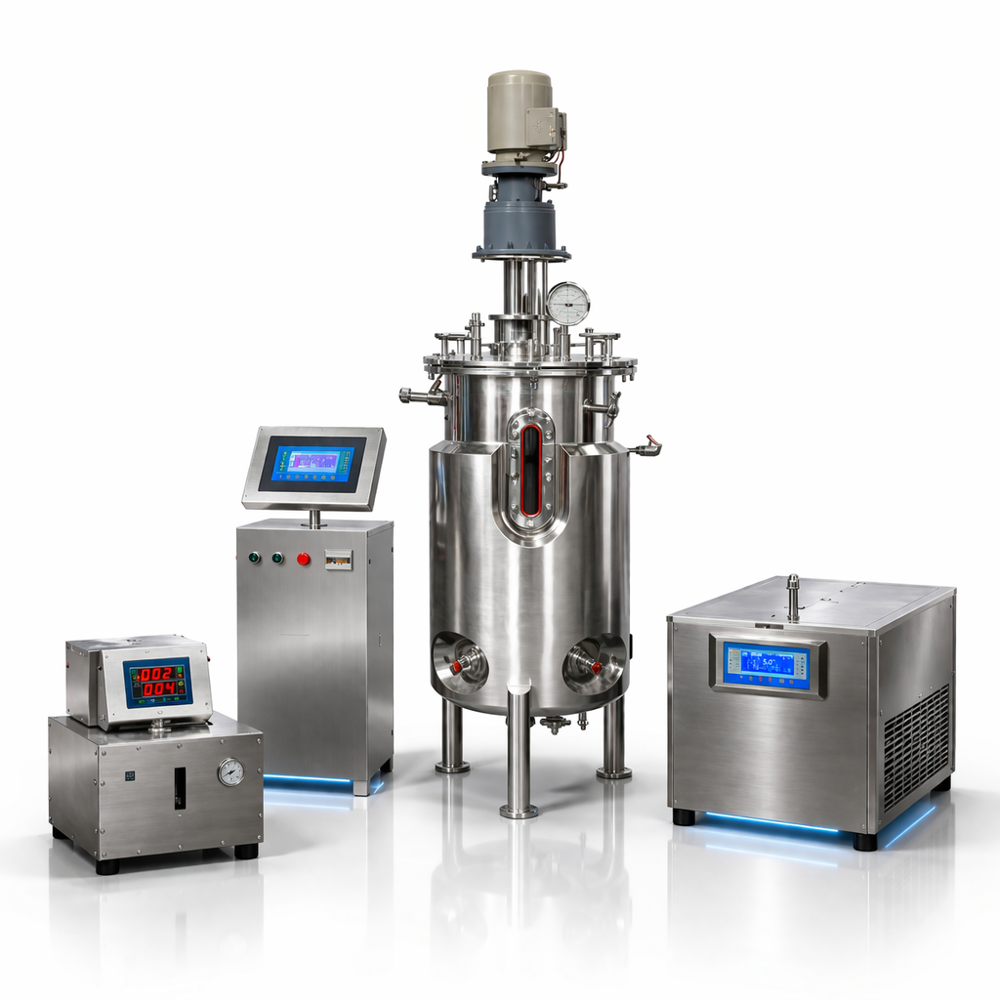
Tell us about your requirement

Price:
Quantity
Select Unit
- 50
- 100
- 200
- 250
- 500
- 1000+
Additional detail
Mobile number
Email

More Products in Cell Culture And Research Equipment Category
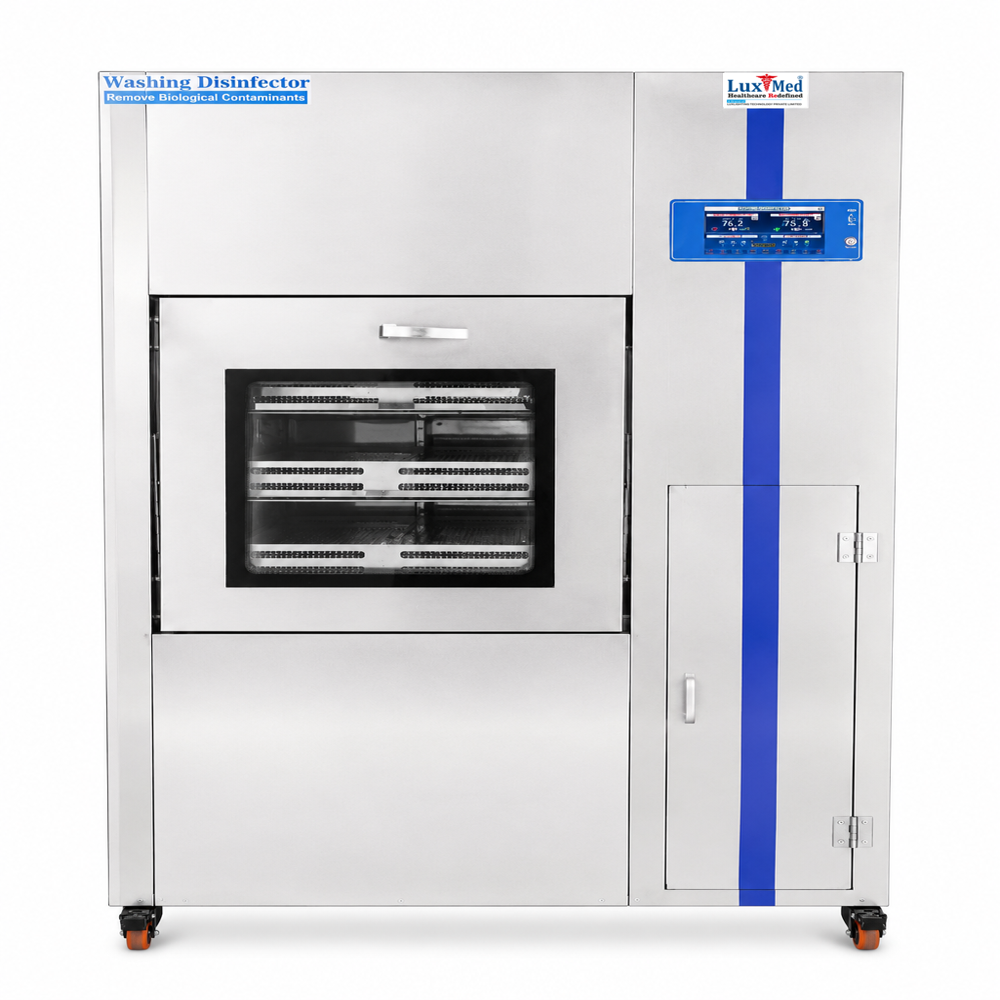
LuxMed Washer Disinfector
Price 1050000.0 INR / Piece
Minimum Order Quantity : 1 Piece
Material : Stainless Steel
Voltage : 230V/415V, 50/60 Hz
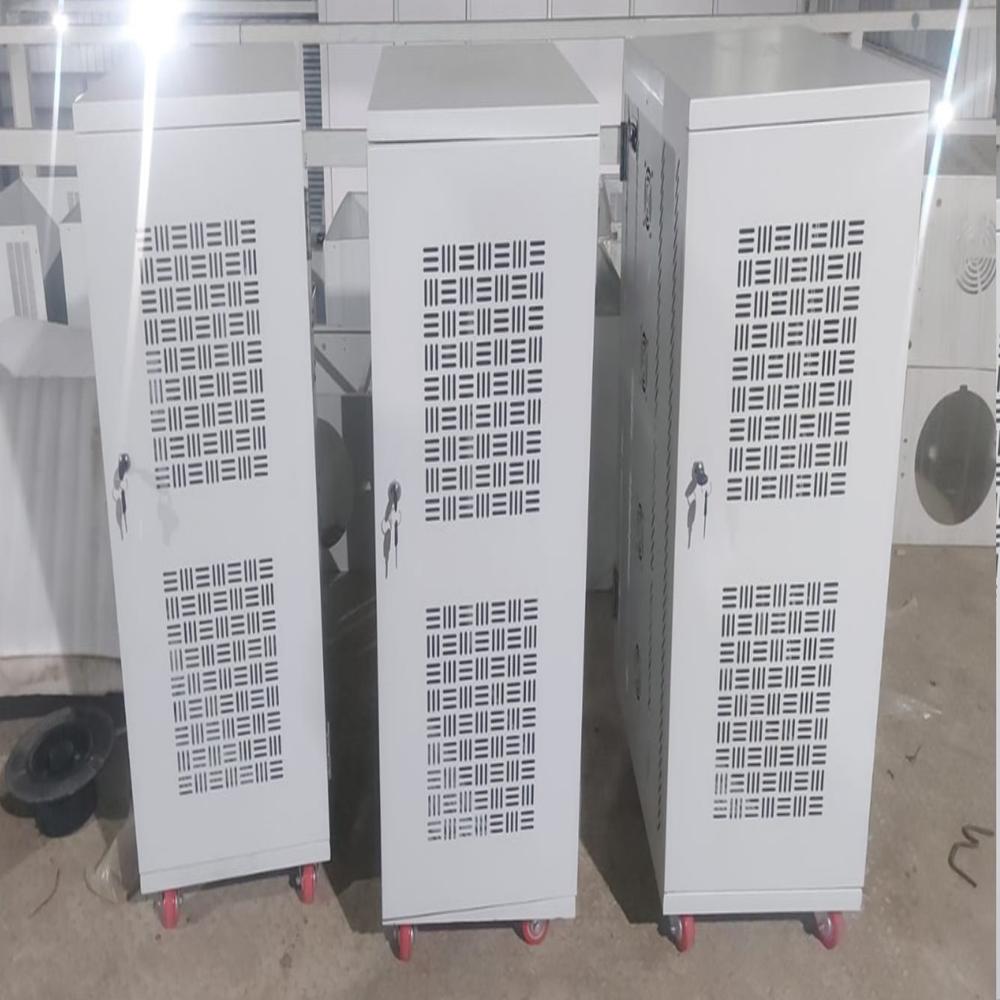
LuxMed Mobile Charging Station
Price 70000.0 INR / Set
Minimum Order Quantity : 1 Number
Material : Steel
Warranty : 2 year
Color : Black
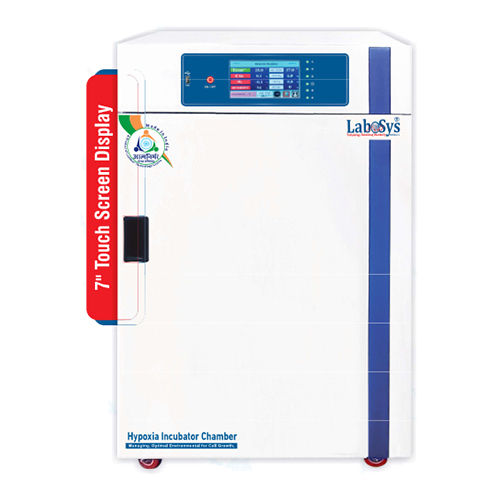
Hypoxia Incubator Chamber
Price 550000.0 INR / Unit
Minimum Order Quantity : 1 Unit
Material : SS
Warranty : 1 Year
Voltage : 220240 Volt (v)
Color : White
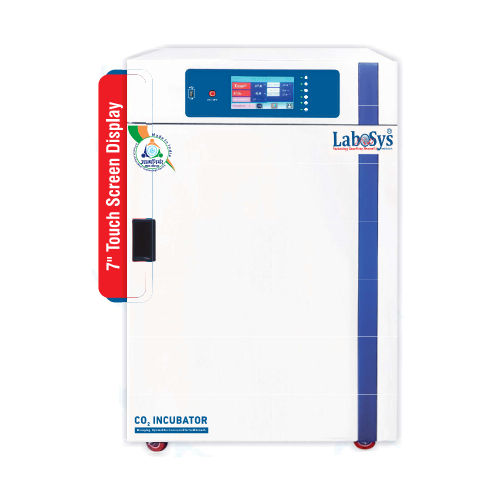
LMX-HI Co2 Incubator
Price 650000.0 INR / Unit
Minimum Order Quantity : 1 Unit
Material : SS
Warranty : 1 Year
Voltage : 220240 Volt (v)
Color : White

 Send Inquiry
Our Products


B 232, Ground Floor, Khasra No. 832, Chattarpur Extension,New Delhi - 110074, India

Mr. Ankit Jha
(CTO)
Mobile :08045815486
 Send Inquiry
 Send SMS
 Call Me Free
Developed and Managed by Infocom Network Private Limited.
