
Call us now :08045815486
 Send Inquiry
 Send Inquiry
LuxMed Drying Cabinet
Price 165000.0 INR/ Unit
MOQ : 1 Unit
LuxMed Drying Cabinet Specification
- Voltage
- 220-240 Volt (v)
- Color
- Silver
- Usage
- Industrial
- Product Type
- Drying Cabinet
- Material
- SS
- Operate Method
- Semi Automatic
LuxMed Drying Cabinet Trade Information
- Minimum Order Quantity
- 1 Unit
- Supply Ability
- 2 Units Per Week
- Delivery Time
- 7 Days
About LuxMed Drying Cabinet
LuxMed Drying Cabinet, Cabinet dryers, CSSD Drying Cabinet, HEPA filtered Pass Thru Drying Cabinet LuxMed Drying Cabinet , Cabinet dryers are used to remove moisture from various materials in a controlled environment, often for preserving food, drying fabrics, or processing other products. They work by circulating heated air within an enclosed chamber, allowing moisture to evaporate. These dryers are commonly used in rural settings for drying fruits, vegetables, and herbs, as well as in industrial settings for drying textiles and other materials. Here's a more detailed look at cabinet dryer use: 1. Food Preservation: Cabinet dryers are particularly well-suited for drying fruits, vegetables, herbs, and other food items in a controlled environment. They help preserve food by reducing moisture content, which prevents spoilage and extends shelf life. The process can be done in small batches, making it suitable for home use or small-scale businesses. 2. Drying Textiles: Drying cabinets can be used to dry clothing, textiles, and other fabrics, particularly those that are delicate or require gentle drying. They provide a more gentle drying process compared to mechanical clothes dryers, reducing wear and tear. Drying cabinets are also useful for drying wet weather clothing, such as that worn by emergency services. 3. Industrial Applications: In various industries, cabinet dryers are used to remove moisture or solvents from materials. They are used in the pharmaceutical, food processing, electronics manufacturing, and materials research industries. For example, they can be used to dry pigments, dyes, pesticides, fabrics, yarns, and fibers. 4. Other Uses: Cabinet dryers can be used for drying raw polymer resources, particularly for testing and improving the quality of plastic products. They can also be used for drying electronic components, electroplating materials, and various other materials. In some cases, they are used for drying or preheating materials before further processing. In essence, cabinet dryers offer a versatile and controlled method for drying a wide range of materials, from food to textiles and industrial products. Drying Cabinet design principle Drying cabinet design principles revolve around creating an environment with controlled temperature and humidity to safely and efficiently remove moisture from items. The core principle is to circulate heated air, often with adjustable recirculation, within a sealed chamber to promote evaporation. This method ensures that items don't dry too quickly, preventing damage and maintaining their quality. Here's a more detailed breakdown: 1. Temperature and Humidity Control: Heated Air Circulation: Drying cabinets use a heating element to warm the air, which is then circulated through the cabinet, often using a fan. Humidity Reduction: The heated air is designed to remove moisture from the items being dried, creating a drier environment. Adjustable Recirculation: Many cabinets allow for adjustable recirculation of the air, which saves energy and improves drying efficiency. 2. Cabinet Design Features: Sealed Chamber: The cabinet is typically sealed to prevent external humidity from entering and to maintain a consistent drying environment. Shelves/Trays: Items are placed on shelves or trays within the cabinet to allow for efficient air circulation. Dehumidification Mechanisms: Some cabinets may incorporate desiccant or dehumidifier technology to further reduce humidity. Safety Features: Safety features like over-temperature protection and overload protection for the motor are often included. 3. Application and Considerations: Diverse Uses: Drying cabinets are used for a variety of applications, including drying clothing, food, evidence, and other items. Material Considerations: The type of material being dried (e.g., food, textiles, etc.) can influence the drying time and temperature requirements. Energy Efficiency: Recirculation of air and other design features aim to improve energy efficiency. Safety: Proper design and operation are crucial to prevent damage to items or the cabinet itself.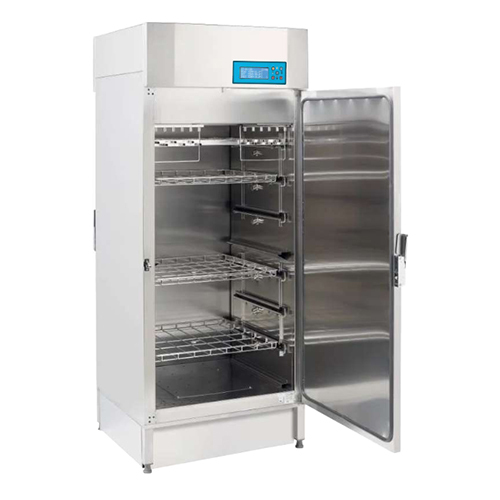
Tell us about your requirement

Price:
Quantity
Select Unit
- 50
- 100
- 200
- 250
- 500
- 1000+
Additional detail
Mobile number
Email

More Products in Hospital CSSD Equipment Category
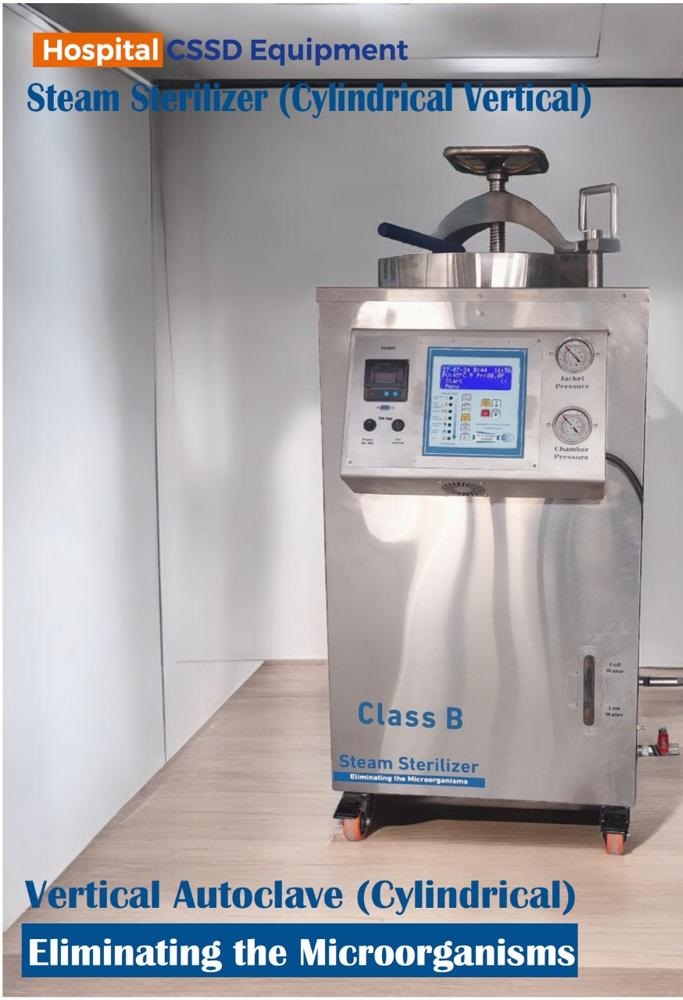
LuxMed Steam Sterilizer Cylindrical Vertical
Price 250000.0 INR / Piece
Minimum Order Quantity : 1 Number
Material : Stainless Steel
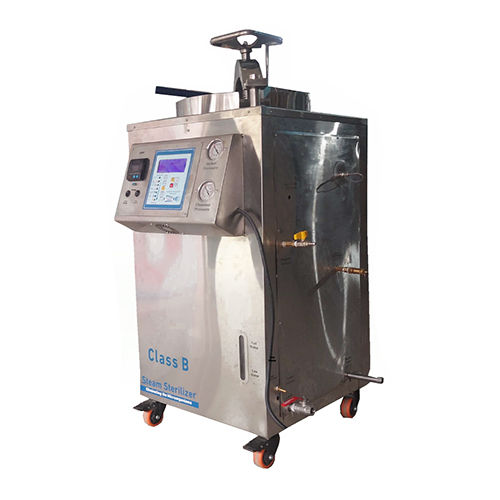
Vertical Cylindrical Steam Sterilizer
Price 250000.0 INR / Unit
Minimum Order Quantity : 1 Unit
Material : SS
Product Type : Cylindrical Steam Sterilizer
Voltage : 220240 Volt (v)
Usage : Industrial

LuxMed Cylindrical Steam Sterilizer
Price 800000.0 INR / Piece
Minimum Order Quantity : 1 Number
Material : SS
Product Type : Cylindrical Steam Sterilizer
Voltage : 220240 Volt (v)
Usage : Industrial
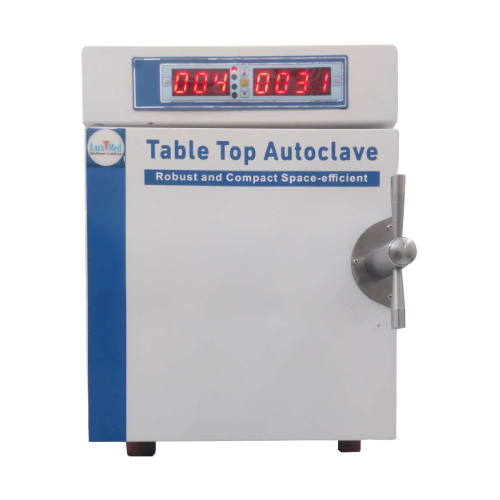
LuxMed Dental Autoclaves
Price 97499.0 INR / Unit
Minimum Order Quantity : 1 Number
Material : MS
Product Type : Dental Autoclaves
Voltage : 220240 Volt (v)
Usage : Industrial

 Send Inquiry
Our Products


B 232, Ground Floor, Khasra No. 832, Chattarpur Extension,New Delhi - 110074, India

Mr. Ankit Jha
(CTO)
Mobile :08045815486
 Send Inquiry
 Send SMS
Developed and Managed by Infocom Network Private Limited.
