
Call us now :08045815486
 Send Inquiry
 Send Inquiry
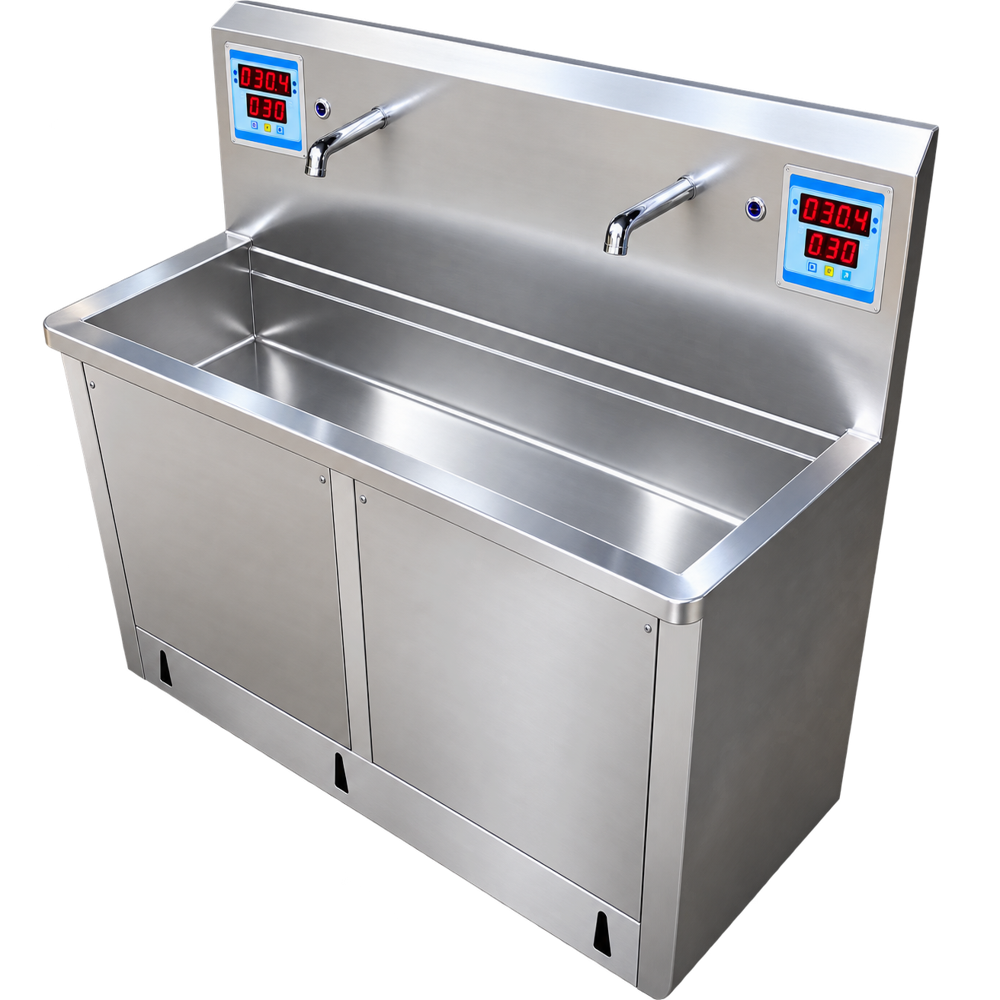
Surgical Scrub Station
Price 105000.00 INR/ Piece
MOQ : 1 Piece
Surgical Scrub Station Specification
- Type
- Other
- Equipment Materials
- Stainless-Steel
- Material
- SS 304
Surgical Scrub Station Trade Information
- Minimum Order Quantity
- 1 Piece
- Delivery Time
- 10 Days
About Surgical Scrub Station
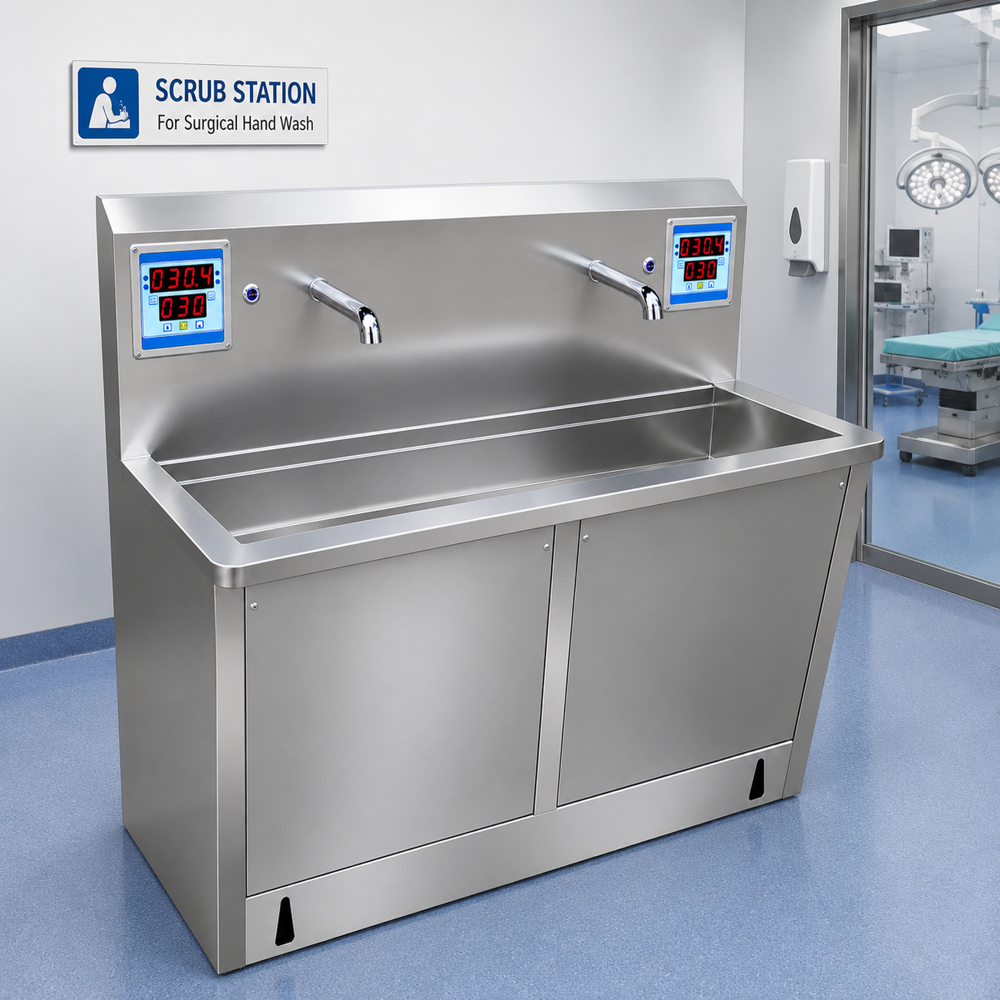
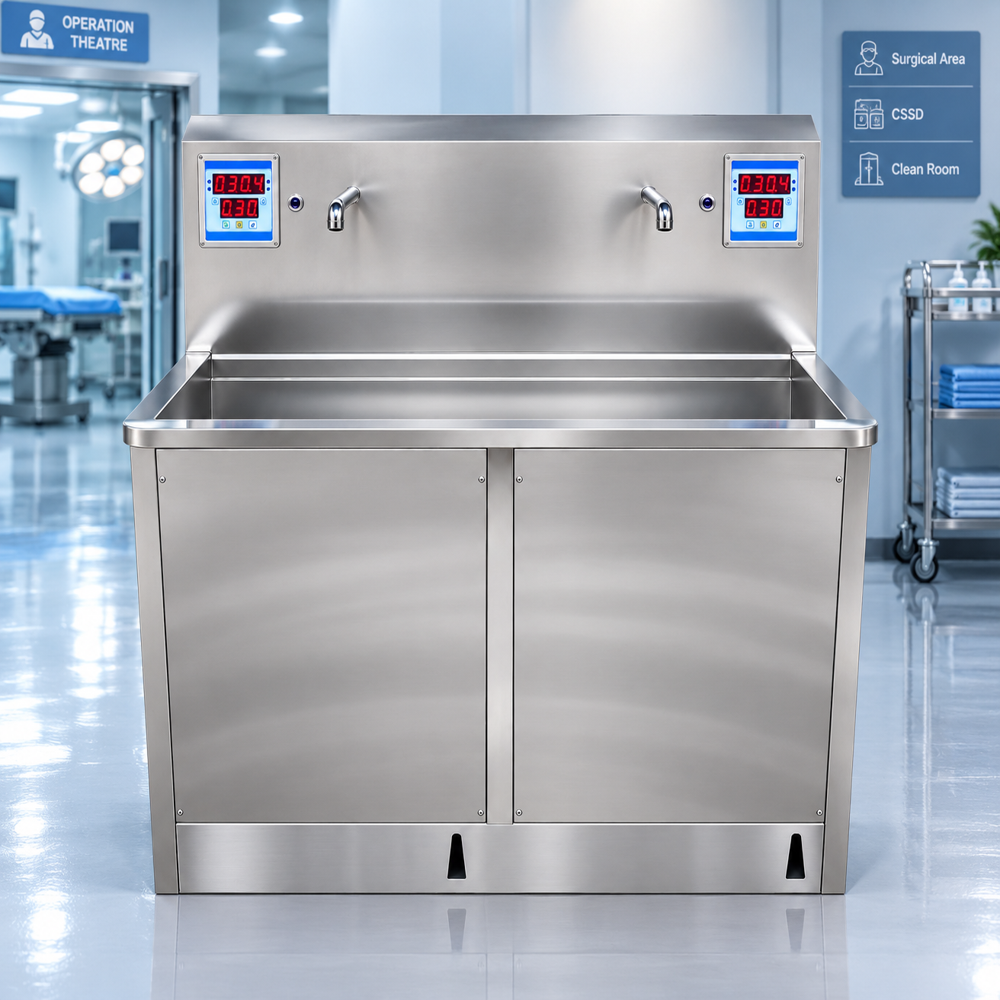
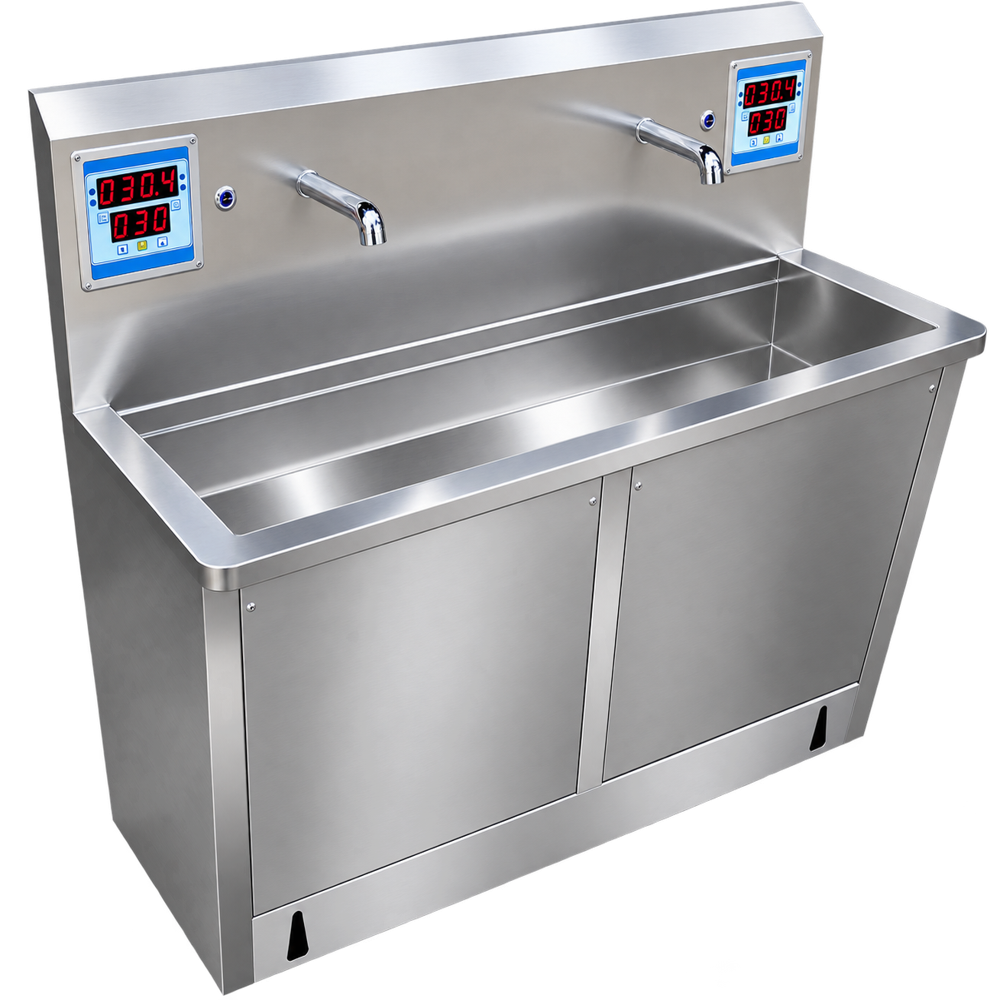
LuxMed surgical scrub station operates on a touchless principle using infrared or optical sensors, knee levers, or foot pedals to trigger a solenoid valve that controls water and antiseptic soap flow, preventing cross-contamination before medical procedures. Common Design & Bay Variations Single-station / 1-Bay: Built for one person Double-station / 2-Bay / Two-person: Built for two users side-by-side Triple-station / 3-Bay / Multi-station: Built for three or more users simultaneously Sensor / Infrared automatic: Touchless water and soap control Knee- or Foot-operated: Uses manual or mechanical levers below the basin to prevent hand contamination LuxMed surgical scrub station operates on a touchless principle using infrared or optical sensors, knee levers, or foot pedals to trigger a solenoid valve that controls water and antiseptic soap flow, preventing cross-contamination before medical procedures. Core Working Components Sensor / Activation: An optical or infrared eye detects the user standing or placing their hands near the unit, sending an electrical signal to open a water solenoid valve. Flow Control: Water passes through a laminar or non-aerated faucet head to deliver a steady, low-splash stream. Dispensing Mechanism: Automatic or hands-free infrared/foot-operated dispensers release a pre-measured dose of surgical antimicrobial soap or disinfectant. Timing & Backup: Integrated digital timers track the required scrubbing duration (typically 3 to 5 minutes), while mechanical knee panels or foot pumps act as manual backups during power failures. Drainage & Design: Deep, sloped troughs made of seamless medical-grade stainless steel (SS 304) ensure complete runoff without pooling, minimizing bacterial growth. LuxMed surgical scrub station design concept centers on creating a sterile, ergonomic, and touch-free hand-washing environment for medical staff before entering an operating room. It integrates high-grade stainless steel, precise water control, and zero-contamination mechanics to optimize infection control. Core Design Elements Material & Build: Constructed from seamless heavy-duty SS 304 or SS 316 stainless steel with anti-microbial properties, smooth electropolished finishes, and coved internal radius corners to prevent bacterial trapping. Hands-Free Operation: Faucets and soap dispensers utilize infrared sensors, knee panels, or foot pedals to completely eliminate manual hand contact post-scrub. Splash & Basin Management: Deep, sloped, and angular basins paired with integrated laminar flow shower-heads prevent water splashing onto floors or user garments. Bay Configurations: Available in single, double, or triple-station modules depending on hospital throughput and spatial layout requirements Advanced Functional Features Digital Timers & Guidance: Built-in LED countdown screens or digital timers enforce protocol-compliant scrub durations (typically 3 to 5 minutes). Thermostatic Mixing Valves: Regulate water temperature to maintain a comfortable, constant warmth, encouraging thorough and compliant washing. Acoustic Dampening: Sound-deadening pads undercoated beneath the basin minimize loud echoing and metallic resonance in sterile corridors. Service Access Panels: Removable lower front aprons or maintenance hatches allow plumbing, solenoid valves, and mixing adjustments without disassembling the wall fixture.Exceptional Hygiene Standards
Constructed from premium SS 304 stainless steel, this surgical scrub station delivers superior resistance to corrosion and ensures a sterile environment essential for medical procedures. Its smooth surfaces and easy-clean design help prevent contamination, supporting ongoing infection control efforts in your facility.
Robust and Functional Design
Engineered with a durable stainless steel frame, this station stands resilient under frequent use. The thoughtfully designed basin and faucet placements promote effective scrubbing while minimizing splash, allowing medical professionals to prepare efficiently for surgery.
FAQ's of Surgical Scrub Station:
Q: How is a surgical scrub station made from SS 304 stainless steel beneficial in healthcare settings?
A: SS 304 stainless steel offers excellent corrosion resistance, making it ideal for environments requiring strict hygiene, such as hospitals and laboratories. Its non-porous surface minimizes bacterial accumulation, ensuring a safer and more sanitary workspace for medical staff.Q: What processes are involved in using the surgical scrub station?
A: Typically, users activate water flow using hands-free levers or sensors, reducing the risk of cross-contamination. Staff then use antimicrobial soap and thorough scrubbing techniques as per facility protocols, utilizing the station's ample bowl space and easy-clean surfaces.Q: When should a surgical scrub station be used?
A: It should be used prior to any surgical or sterile procedure to ensure that hands and forearms are free from contaminants. Consistent use before entering operating rooms or sterile zones is crucial for infection control.Q: Where is the optimal placement for a surgical scrub station in a medical facility?
A: The scrub station is best installed near entrances to surgical suites, operating rooms, or other controlled environments. This ensures easy access for personnel needing to sanitize before entering sterile areas.Q: What are the main usage benefits of having a stainless steel scrub station?
A: A stainless steel scrub station provides long-lasting durability, resists corrosion from sanitation chemicals, and is easy to clean. These qualities make it a reliable choice for maintaining rigorous sanitation standards.Q: How does the material of this scrub station impact its maintenance needs?
A: Thanks to its SS 304 stainless steel build, the station requires less frequent cleaning and resists staining and bacterial growth. Routine maintenance is simplified, enhancing operational efficiency.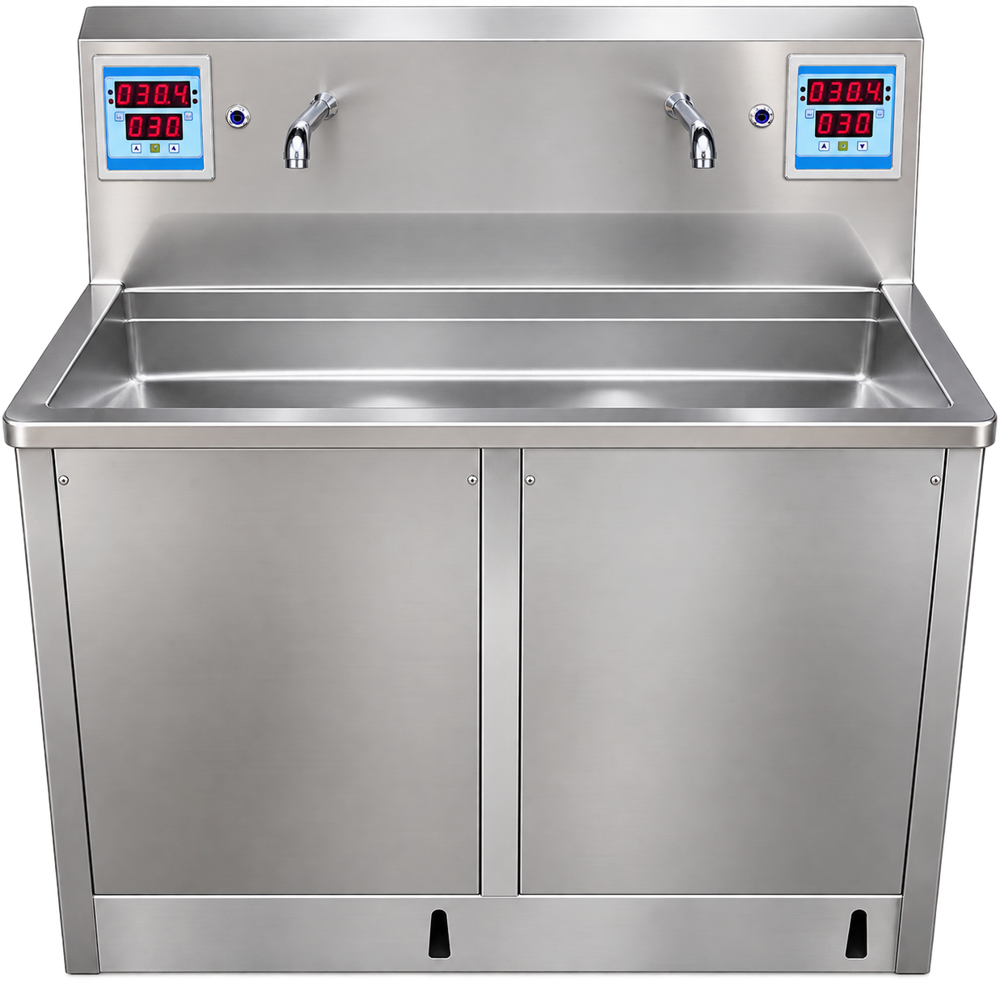
Tell us about your requirement

Price:
Quantity
Select Unit
- 50
- 100
- 200
- 250
- 500
- 1000+
Additional detail
Mobile number
Email

More Products in Laboratory Equipments Category
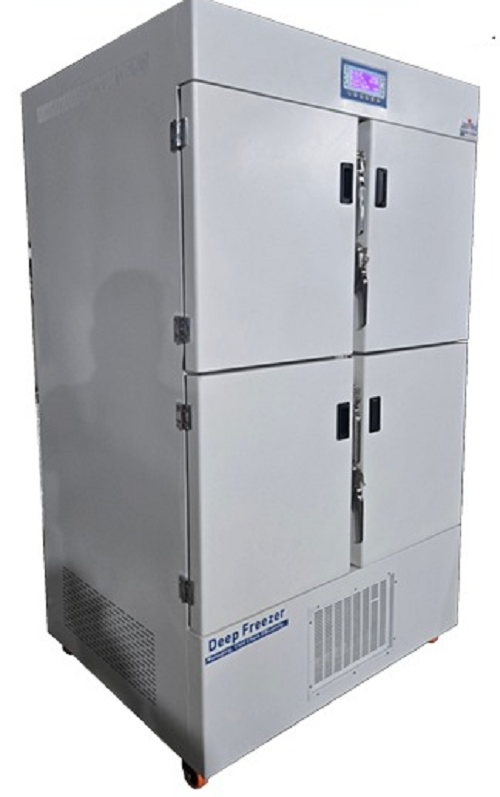
LuxMed Deep Freezer Four Doors
Price 1199999.0 INR / Unit
Minimum Order Quantity : 1 Number
Material : Steel
Equipment Materials : Stainless Steel
Dimension (L*W*H) : 36*24*40 Inch (in)
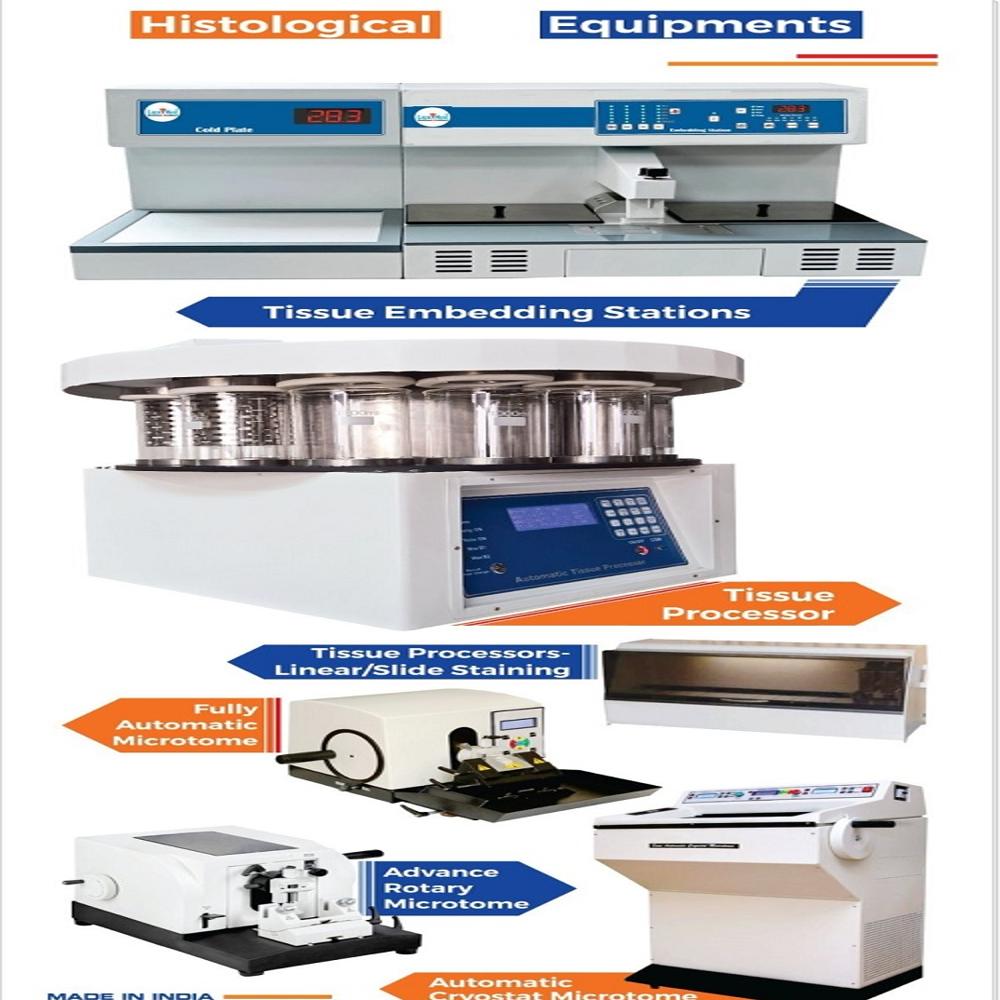
LuxMed Histology Lab Equipments
Price 150000.0 INR / Piece
Minimum Order Quantity : 1 Number
Material : Steel
Equipment Materials : Steel
Application : Tissue Embedding Station
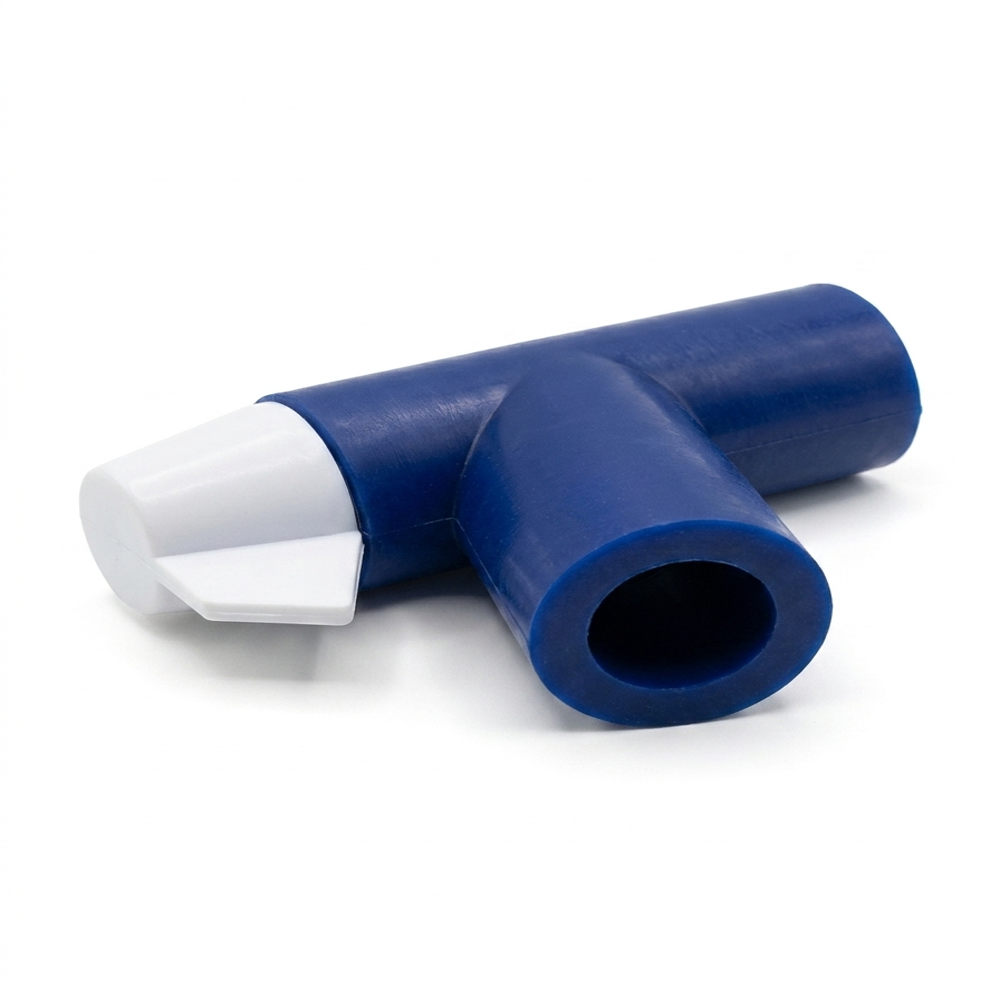
Quick Coupling Valve T-shaped
Price 3000.0 INR / Piece
Minimum Order Quantity : 20 Pieces
Material : Plastic
Equipment Materials : Brass/ABS Plastic
Application : Irrigation, Landscaping, Garden Watering Systems, Sprinkler Systems
Dimension (L*W*H) : Approx. 80mm x 50mm x 22mm
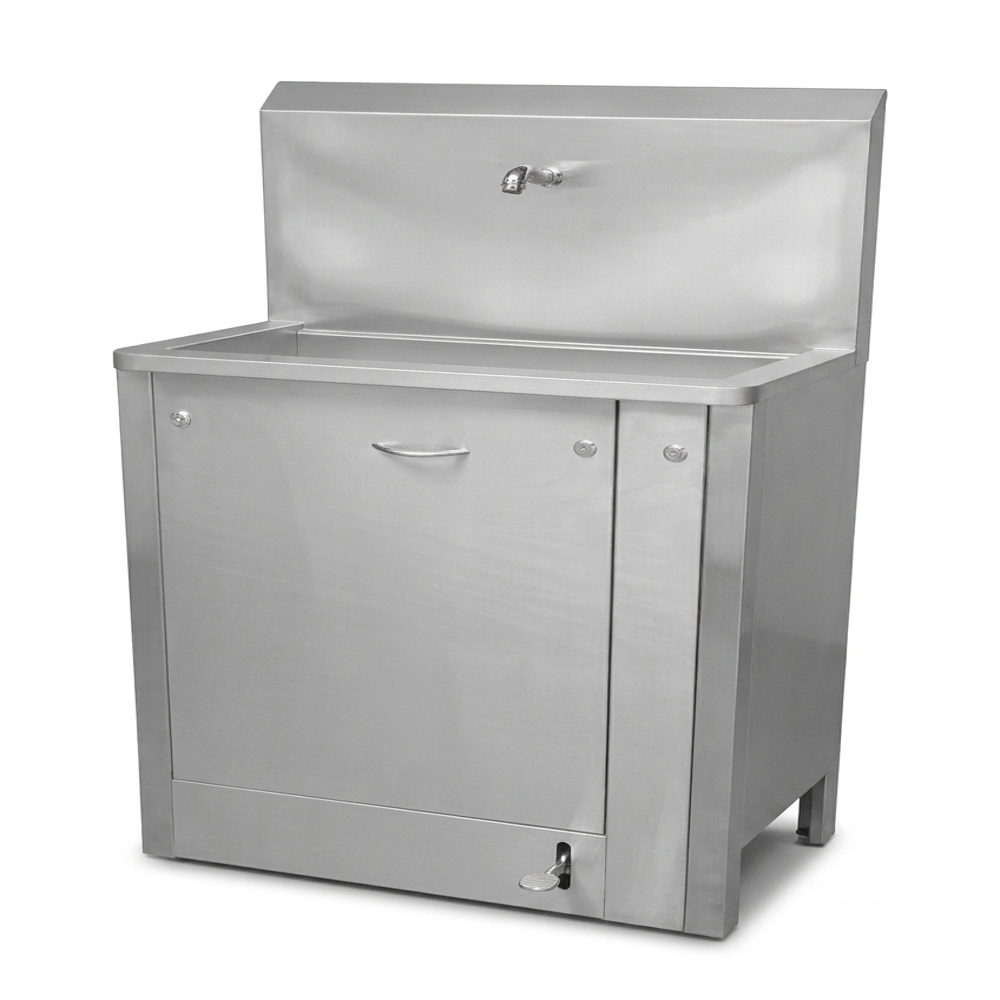
One-bay Surgical Station with Paddler
Price 54000.0 INR / Number
Minimum Order Quantity : 1 Number
Material : Grade 304 Stainless Steel
Equipment Materials : Stainlesssteel
Application : Operating Theaters, Laboratories, Sterile Wash Areas
Dimension (L*W*H) : 900 x 600 x 900 mm (approx.)

 Send Inquiry
Our Products


B 232, Ground Floor, Khasra No. 832, Chattarpur Extension,New Delhi - 110074, India

Mr. Ankit Jha
(CTO)
Mobile :08045815486
 Send Inquiry
 Send SMS
 Call Me Free
Developed and Managed by Infocom Network Private Limited.
