
Call us now :08045815486
 Send Inquiry
 Send Inquiry
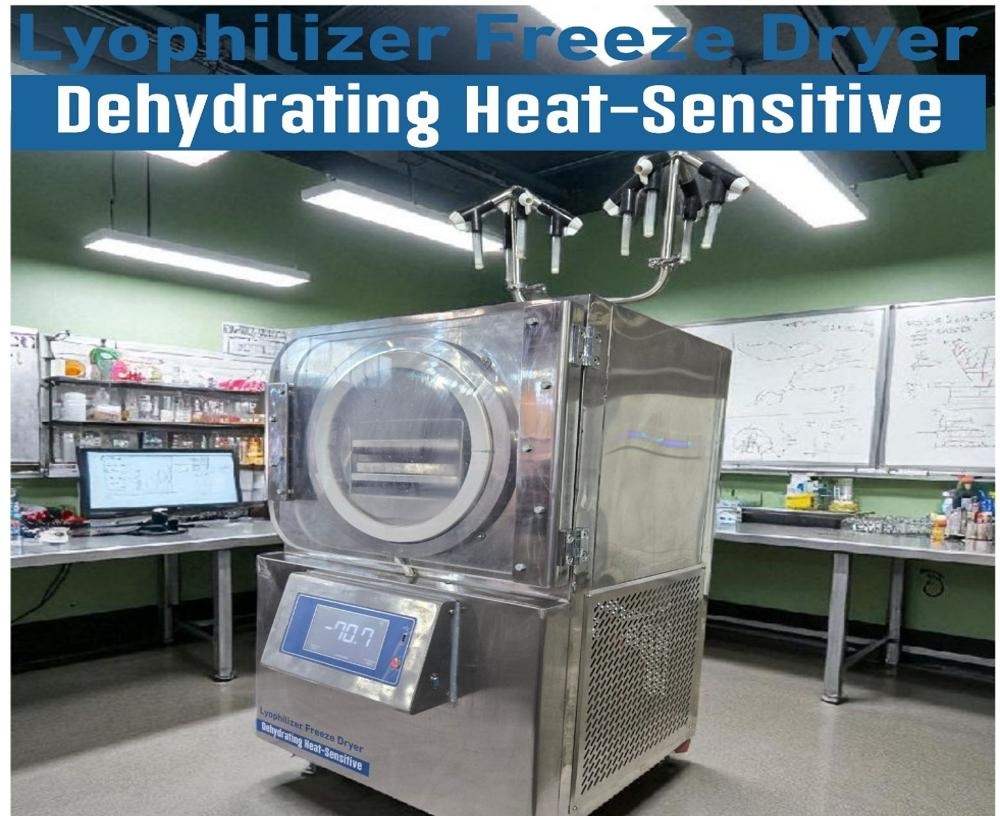
LuxMed Lyophilizer Freeze Dryer
Price 390000.0 INR/ Unit
MOQ : 1 Number
LuxMed Lyophilizer Freeze Dryer Specification
- Dimension (L*W*H)
- 820*695*600 Millimeter (mm)
- Weight
- 180 Kilograms (kg)
- Equipment Materials
- Stainless Steel
- Power
- 2.3 Watt (w)
- Material
- Stainless Steel
- Warranty
- 1 Year
LuxMed Lyophilizer Freeze Dryer Trade Information
- Minimum Order Quantity
- 1 Number
- FOB Port
- At Ambala
- Payment Terms
- Cash in Advance (CID)
- Supply Ability
- 2 Per Week
- Delivery Time
- 1 Week
- Sample Available
- No
- Sample Policy
- If order is confirmed we will reimburse the sample cost
- Packaging Details
- Wooden Packaging
- Main Export Market(s)
- Asia
- Main Domestic Market
- All India
- Certifications
- CE, ISO and MSME Certified
About LuxMed Lyophilizer Freeze Dryer
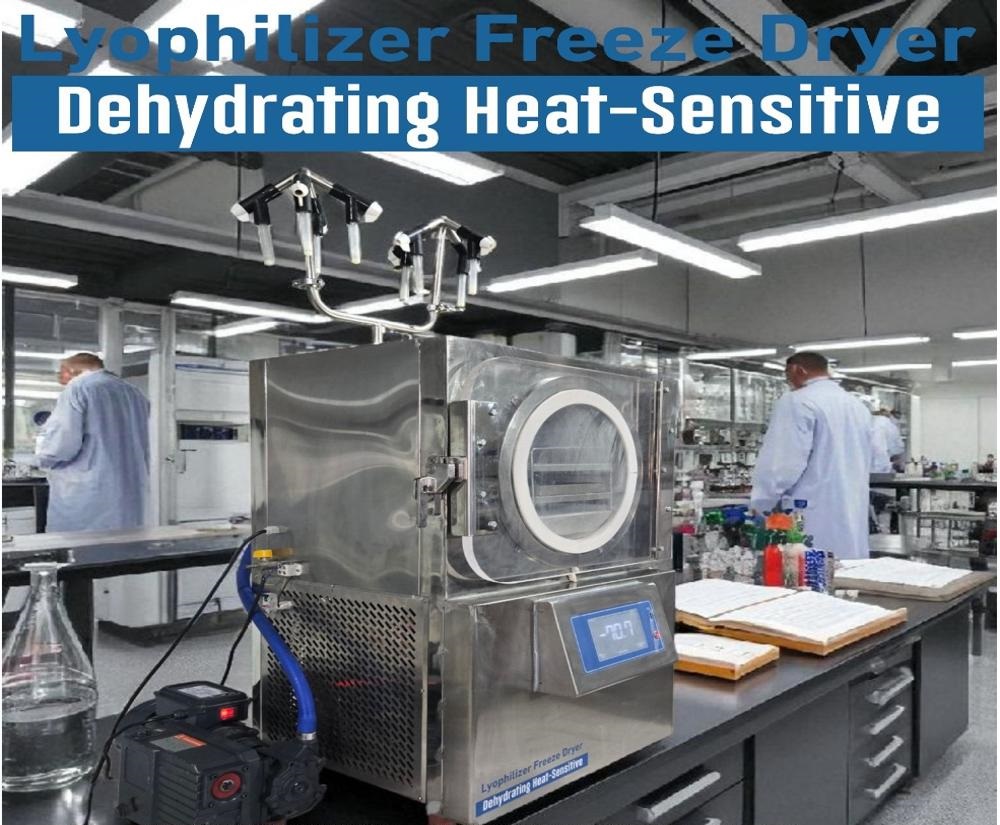
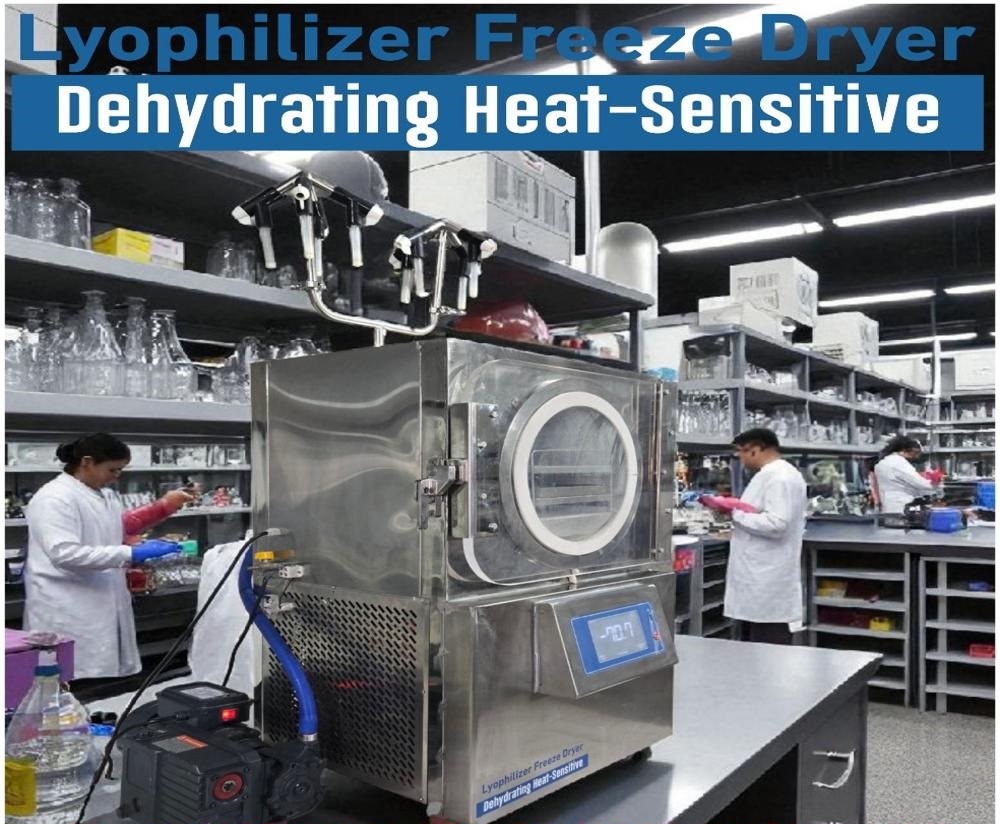
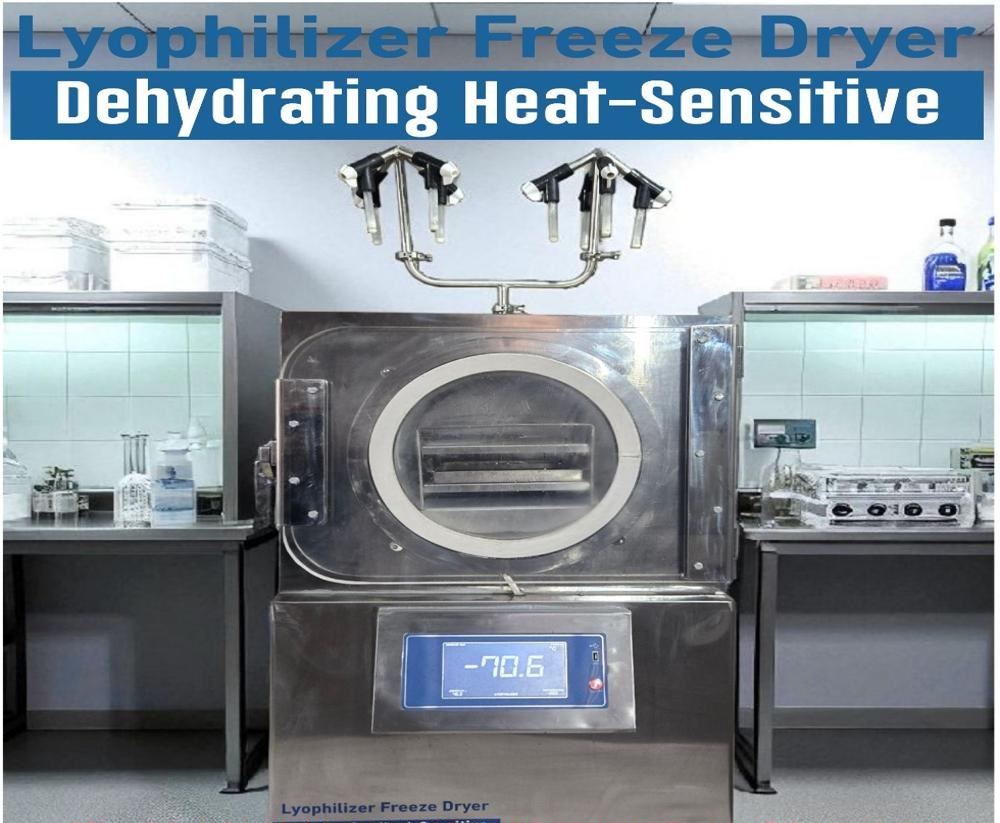
LuxMed Lyophilizer/Freeze Dryer LuxMed www.luxmed.in Lyophilization relies on the principle of sublimation, where a substance transitions directly from a solid to a gaseous state without becoming liquid. This process occurs at temperatures and pressures below the triple point of water. LuxMed Lyophilizer and freeze dryer are two terms referring to the same piece of equipment; they are synonymous. Lyophilization, or freeze-drying, is a process that removes water from a product by freezing it, then reducing pressure and adding heat to allow the ice to sublimate (turn directly from solid to gas). This process is used to preserve heat-sensitive materials, extend shelf life, and reduce weight for storage and transportation. Here's a more detailed explanation: Lyophilization/Freeze-Drying: This is the process itself, which involves freezing the material, then removing the water through sublimation under vacuum. Lyophilizer/Freeze Dryer: This is the equipment used to carry out the lyophilization process. It typically includes a freezing system, a vacuum system, and a heating system to control the temperature and pressure during the process. Key Features: Lyophilizers are designed to gently remove water from materials, preserving their structure and chemical properties. This is especially important for pharmaceuticals, biological samples, and foods that are sensitive to heat. Applications: Lyophilization is widely used in the pharmaceutical industry for preserving drugs and vaccines, in the food industry for preserving fruits, vegetables, and other foods, and in research for preserving biological samples.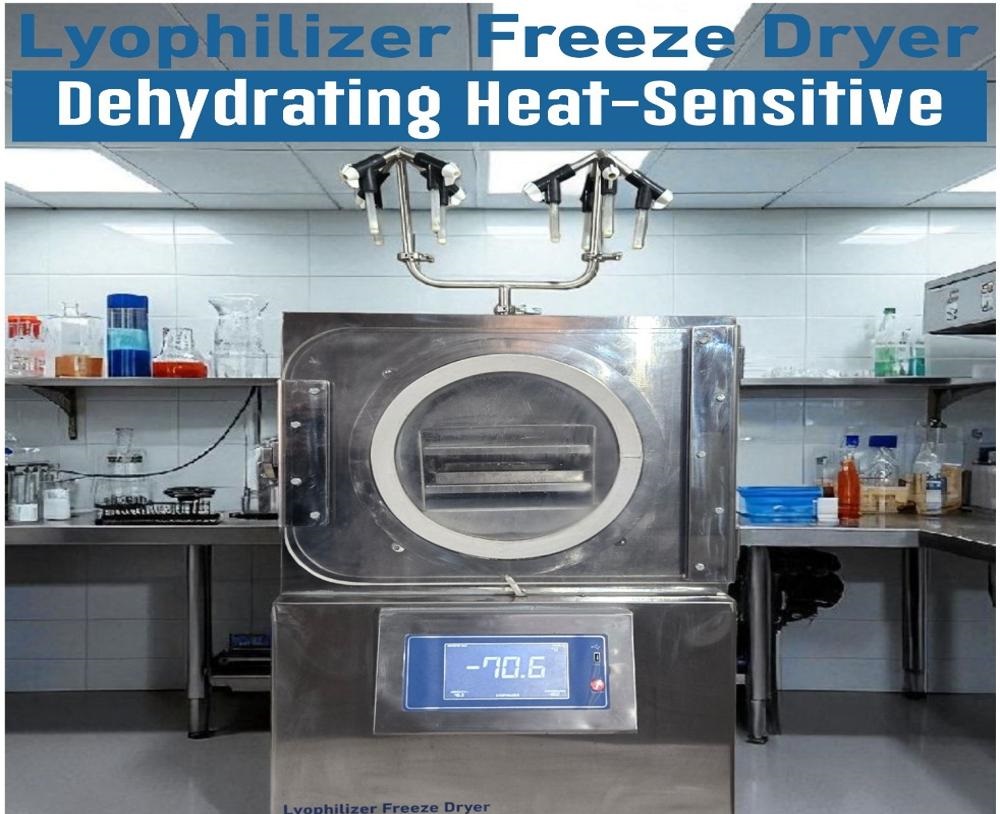
Tell us about your requirement

Price:
Quantity
Select Unit
- 50
- 100
- 200
- 250
- 500
- 1000+
Additional detail
Mobile number
Email

More Products in Cell Culture And Research Equipment Category
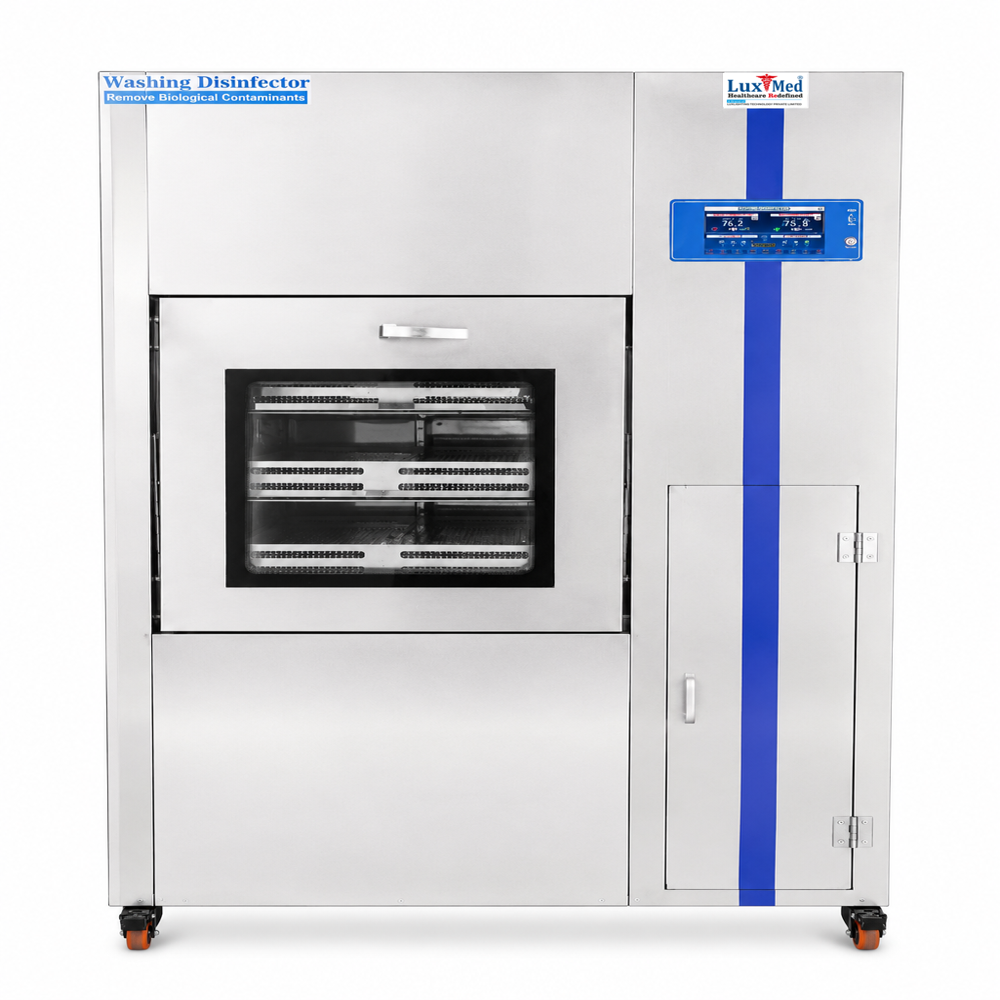
LuxMed Washer Disinfector
Price 1050000.0 INR / Piece
Minimum Order Quantity : 1 Piece
Material : Stainless Steel
Voltage : 230V/415V, 50/60 Hz
Features : Double/Single Door, Leakproof Chamber, SelfDiagnostic System, Userfriendly Interface, Automatic Chemical Dosing
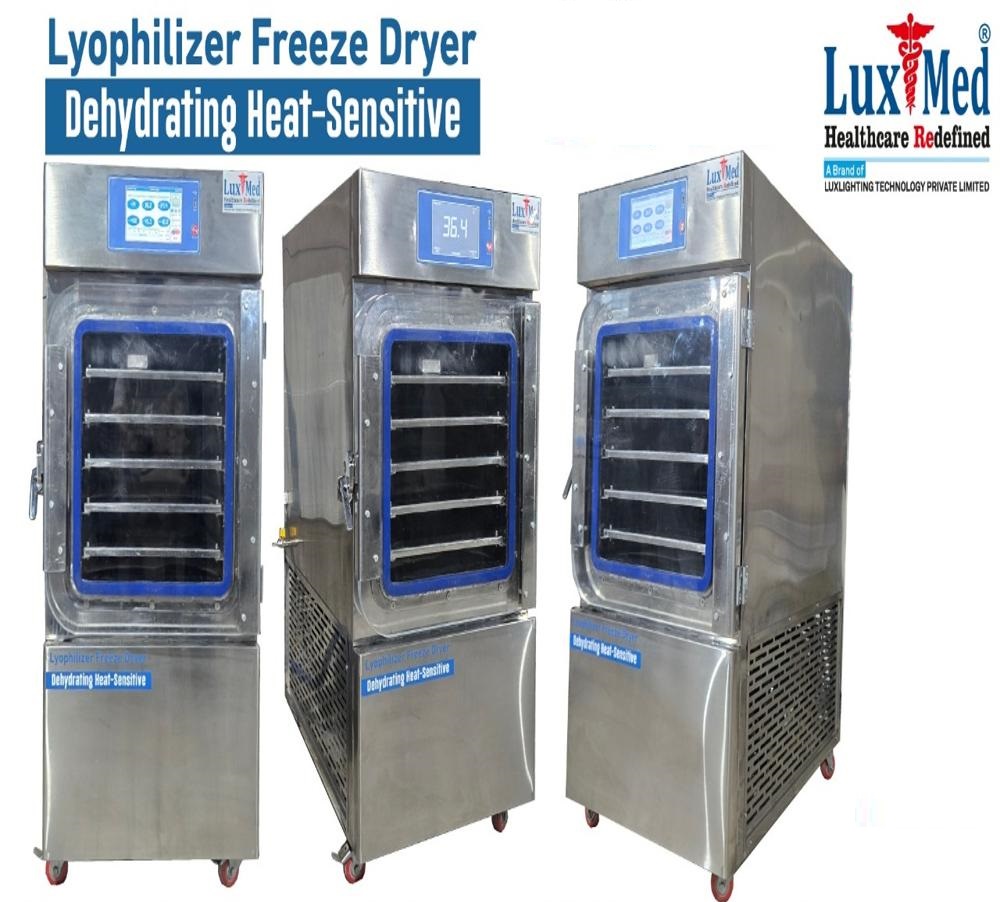
LuxMed Lyophilizer Freeze Dryer
Price 550000.0 INR / Unit
Minimum Order Quantity : 1 Number
Material : Steel
Warranty : 2 year
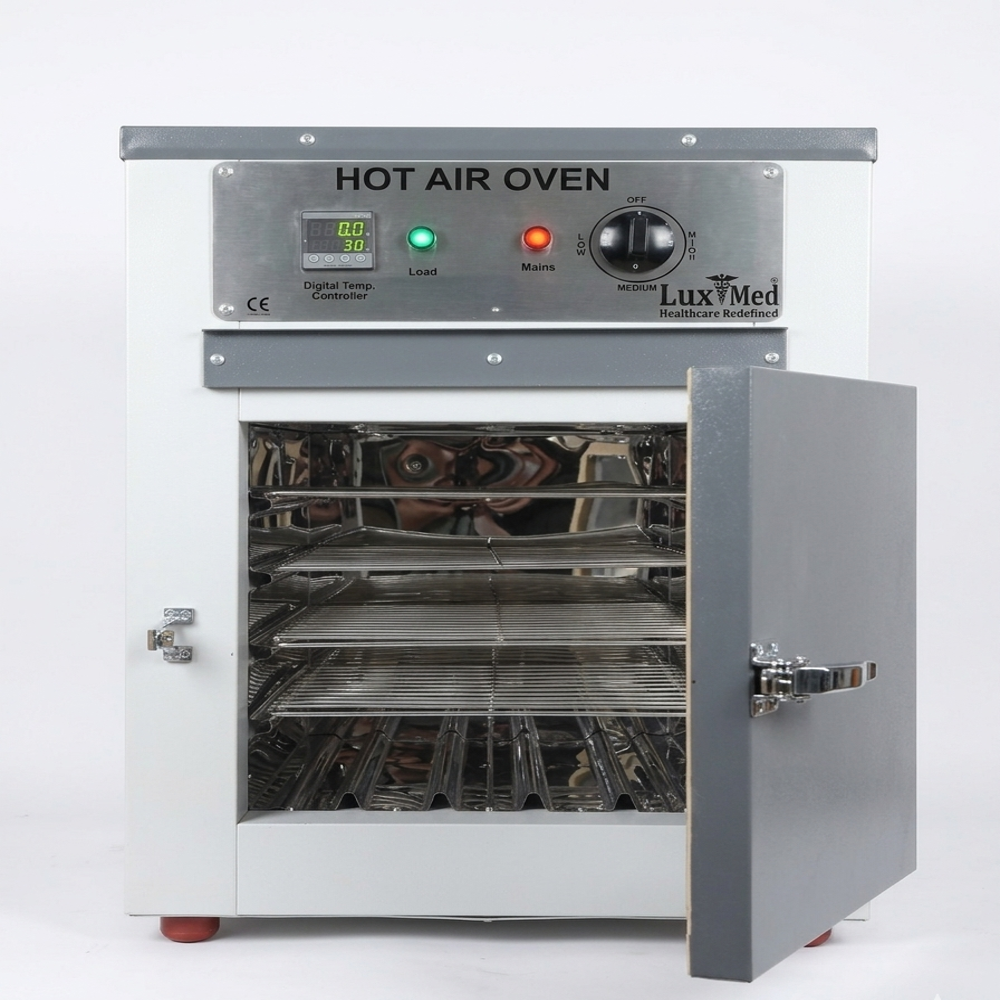
Hot Air Oven
Price 250000.0 INR / Piece
Minimum Order Quantity : 1 Piece
Material : Mild Steel, Stainless Steel
Voltage : 220 V
Features : Double Walled Construction, Powder Coated Body, Adjustable Shelves, Air Ventilation, Energy Efficient, Uniform Heating
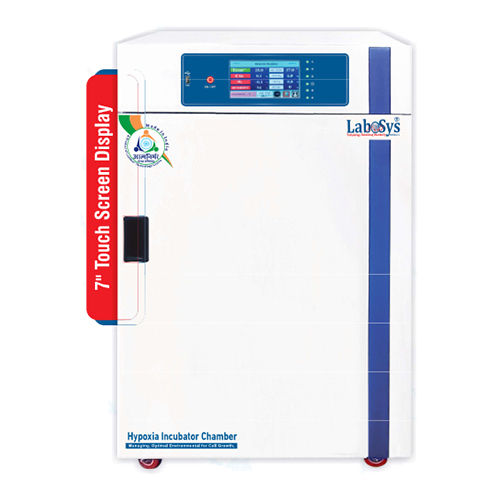
Hypoxia Incubator Chamber
Price 550000.0 INR / Unit
Minimum Order Quantity : 1 Unit
Material : SS
Voltage : 220240 Volt (v)
Warranty : 1 Year

 Send Inquiry
Our Products


B 232, Ground Floor, Khasra No. 832, Chattarpur Extension,New Delhi - 110074, India

Mr. Ankit Jha
(CTO)
Mobile :08045815486
 Send Inquiry
 Send SMS
 Call Me Free
Developed and Managed by Infocom Network Private Limited.
