
Call us now :08045815486
 Send Inquiry
 Send Inquiry
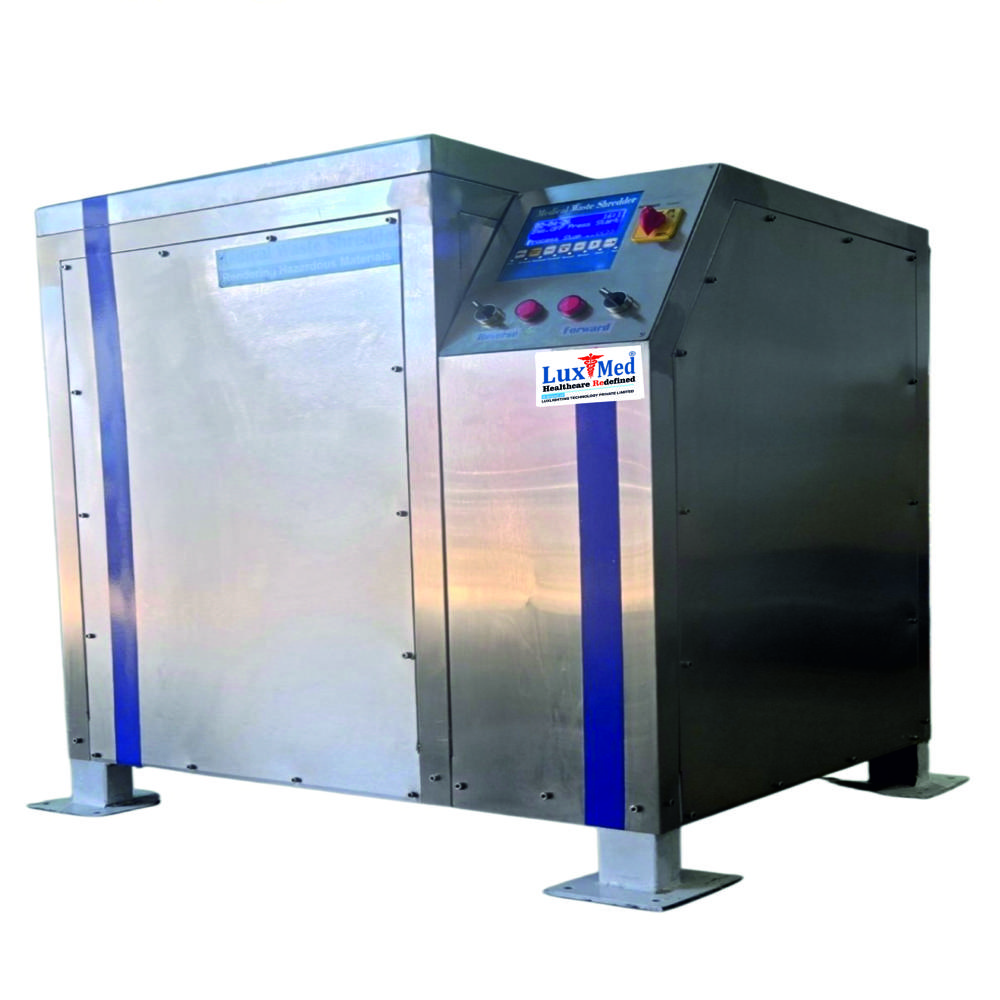
Luxmed Medical Waste Shredder
Price 600000.0 INR/ Piece
MOQ : 1 Piece
Luxmed Medical Waste Shredder Specification
- Temperature Resistance
- Upto 100C
- Speed Range
- 1440 RPM
- Control Type
- Semi-Automatic / Automatic
- Shape
- Rectangular
- Features
- Corrosion Resistant, Heavy Duty Shredding, Easy Maintenance
- Accuracy
- High Accuracy for Shredding
- Display Type
- Indicator Panel
- Power Supply
- Electric
- Type
- Medical Waste Shredder, Medical Waste Shredder
- Dimension (L*W*H)
- 600 x 800 x 1200 mm
- Equipment Type
- Automatic Medical Waste Shredder
- Equipment Materials
- Stainless Steel Body
- Power
- 2 HP Motor
- Voltage
- 220 V
- Material
- Mild Steel / Stainless Steel Option
- Application
- Hospital and Clinic Waste Management
- Capacity (Ltr)
- 50-100 Ltr per hour
- Safety Features
- Interlock system, Emergency Stop
- Shredding Capacity
- 20 - 40 Kg/hr
- Weight
- Approx 150 kg
- Mobility
- Mounted on Castor Wheels
- Motor Type
- Induction Motor
- Chamber Material
- Stainless Steel
- Noise Level
- Below 70 dB
- Blade Material
- Hardened Steel
- Cutting Type
- Dual Shaft
- Color
- Blue / White
Luxmed Medical Waste Shredder Trade Information
- Minimum Order Quantity
- 1 Piece
- Delivery Time
- 15 Days
About Luxmed Medical Waste Shredder
LuxMed Medical waste shredders are high-torque, industrial-grade machines used to mechanically destroy and downsize hazardous healthcare materials to prevent reuse and ensure safe disposal. Their primary application is to render medical wastesuch as sharps, plastics, and contaminated glassinto unrecognizable fragments, which significantly reduces the volume of waste and facilitates further treatment like sterilization.
LuxMed Medical waste Core Applications and Use Cases
Volume Reduction: Shredders can reduce the bulk of medical waste by up to 70%, making it easier and more cost-effective to transport, store, and manage.
Preventing Reuse: By grinding sharps, syringes, and surgical tools into fine particles, shredders ensure these items cannot be illegally scavenged or reused, thereby preventing the spread of infections like HIV or Hepatitis.
Pre-Treatment for Sterilization: Many facilities shred waste before autoclaving (steam sterilization). This increases the surface area exposed to heat, ensuring a more thorough and efficient decontamination process.
Regulatory Compliance: Using a shredder is often a legal requirement for treating "Red Bag" and "Yellow Bag" waste before it can be legally disposed of in landfills as ordinary municipal waste.
Types of Waste Processed
LuxMed Medical shredders are designed to handle a wide range of materials typically found in healthcare settings:
Sharps & Metal: Needles, scalpel blades, lancets, and small surgical instruments.
Plastics: Syringes, IV bottles, catheters, blood bags, and blister packs.
Glass: Ampoules, vials, and laboratory glassware.
Textiles: Bed sheets, masks, gloves, and protective suits.
Confidential Records: X-rays and patient records that require secure destruction for privacy compliance.
LuxMed Industry Standards and Equipment
Shredders are commonly used by hospitals, clinics, diagnostic laboratories, and centralized biomedical waste treatment facilities (CBMWTFs). They typically fall into two categories:
Single-Shaft Shredders: Best for high percentages of soft materials like textiles and non-woven fabrics.
Double-Shaft Shredders: Ideal for high-throughput processing of varied waste, including rigid plastics and metals.
Many modern systems, such as the Sterilwave or ISS (Integrated Sterilizer and Shredder), combine shredding and sterilization in a single automated cycle to minimize manual handling of infectious waste.
Are you looking for specifications for a specific facility size, or do you need help finding manufacturers and pricing in your region?
LuxMed Medical waste shredder design focuses on mechanically reducing the volume of hazardous materials and rendering them unrecognizable to prevent reuse and facilitate sterilization. These machines are typically engineered as dual-shaft systems using high-torque, low-speed cutting technology to handle diverse materials like plastics, glass, fabrics, and stainless steel instruments.
Core Design Components
LuxMed Shredding Chamber: The central compartment where counter-rotating steel shafts fitted with interlocking blades perform the cutting.
LuxMed Cutting Blades: Made from high-carbon or alloy steel for extreme wear resistance. They are often heat-treated and can be reground multiple times for maintenance.
LuxMed Hopper & Feeding System: A rugged input chamber, often featuring automatic bin dumpers or lifters to prevent direct human contact with infectious waste.
LuxMed Drive System: Includes a high-power electric motor (ranging from 2 HP for small units to 100 HP for industrial systems) and a heavy-duty gearbox to provide the necessary torque.
LuxMed Screen/Grate: A perforated plate at the bottom that determines final particle size, typically between 20mm and 30mm to meet safety standards.
Critical Engineering Considerations
Feature Description
Material Choice Contact parts are often 304 or 316L stainless steel for corrosion resistance during cleaning and sterilization.
Automation Controlled via PLC (Programmable Logic Controller) with features like automatic jam detection and auto-reverse to clear blockages safely.
Containment Systems are fully enclosed to prevent the escape of dust, aerosols, or odors during the shredding process.
Integrated Systems Modern designs often combine shredding with on-site sterilization, where waste is shredded and then immediately autoclaved in the same vessel.
High-Efficiency Medical Waste Management
The Luxmed Medical Waste Shredder is tailored for rapid, accurate, and hygienic disposal of medical wastes generated in healthcare settings. Its dual-shaft mechanism, powered by a robust induction motor, efficiently processes 20-40 kg per hour. The stainless steel chamber and optional mild steel body offer lasting durability and corrosion resistance, making it an ideal choice for continuous operation in hospitals, clinics, and similar environments.
Advanced Safety and User-Friendly Mobility
Equipped with comprehensive safety features including an interlock system and emergency stop, the shredder is designed with user protection in mind. Indicator panels and semi-automatic controls simplify operation. Its compact, rectangular design mounted on castor wheels ensures effortless relocation within your facility, providing both convenience and flexibility for waste management procedures.
FAQ's of Luxmed Medical Waste Shredder:
Q: How does the Luxmed Medical Waste Shredder ensure safe operation during waste processing?
A: The shredder is equipped with an interlock system and an emergency stop button to maximize user safety. These features prevent the machine from operating while the chamber is open and allow for rapid shutdown in case of an emergency, greatly reducing the risk of accidents.Q: What types of medical waste can this shredder handle effectively?
A: This machine is designed for a variety of solid medical waste generated in hospitals and clinics, such as plastic syringes, vials, gloves, gauze, and other hazardous materials classified under hospital and clinic waste management operations.Q: When should I perform maintenance on the shredder, and is it difficult to maintain?
A: Regular maintenance should be conducted based on usage volume-typically every few weeks for continuous or heavy use. The unit is engineered for easy maintenance, featuring durable components and simple access panels to streamline cleaning and servicing.Q: Where can the shredder be installed within a healthcare facility?
A: Thanks to its compact, castor wheel-mounted design, the shredder can be stationed in waste disposal rooms, service corridors, or any dedicated medical waste processing area within the facility, allowing for flexible deployment as needed.Q: What is the shredding process and how accurate is it?
A: The process involves feeding medical waste into the stainless steel chamber, where dual-shaft, hardened steel blades shred materials efficiently and with high accuracy. The indicator panel and semi-automatic/automatic controls ensure consistent, reliable performance.Q: What are the benefits of choosing the stainless steel option?
A: Opting for a stainless steel body increases the shredder's resistance to corrosion and simplifies cleaning, prolonging lifespan. It assures compliance with hygiene standards essential in healthcare environments.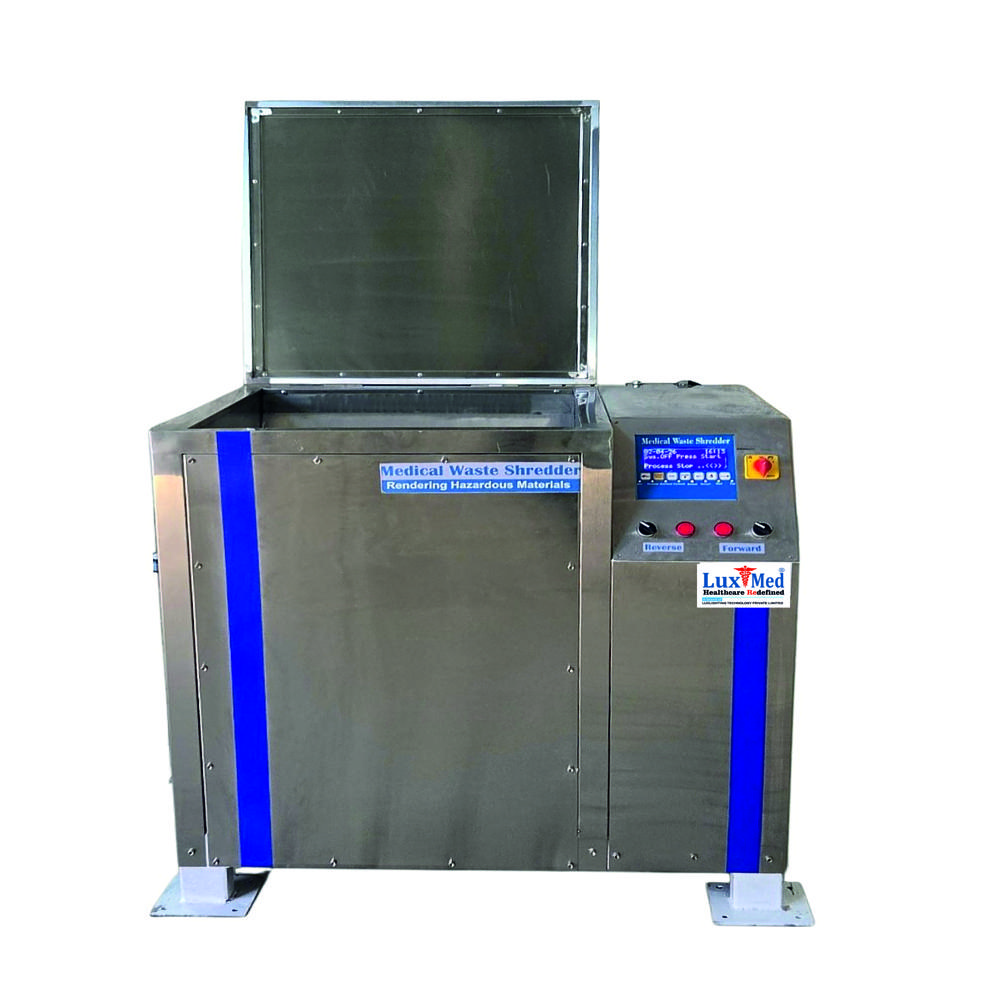
Tell us about your requirement

Price:
Quantity
Select Unit
- 50
- 100
- 200
- 250
- 500
- 1000+
Additional detail
Mobile number
Email

More Products in Blood Bank Equipments Category
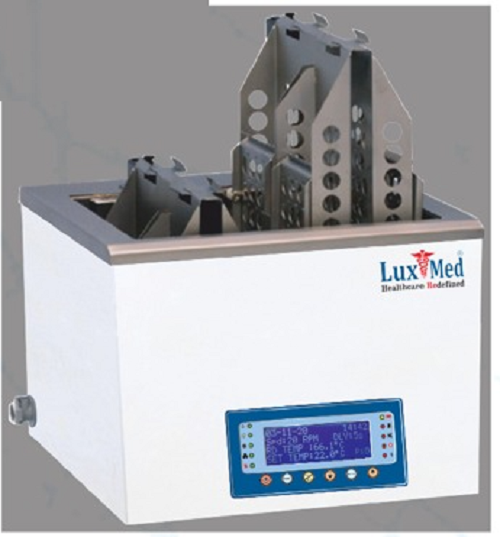
LuxMed Plasma Thawing Vertical
Price 109000.0 INR / Piece
Minimum Order Quantity : 1 Number
Voltage : 220 V AC, 50 Hz Volt (v)
Application : Plasma Thawing in Blood Banks
Features : Audio Visual Alarm, Auto Cutoff, Temperature Uniformity, Overheat Protection
Power Supply : Single Phase
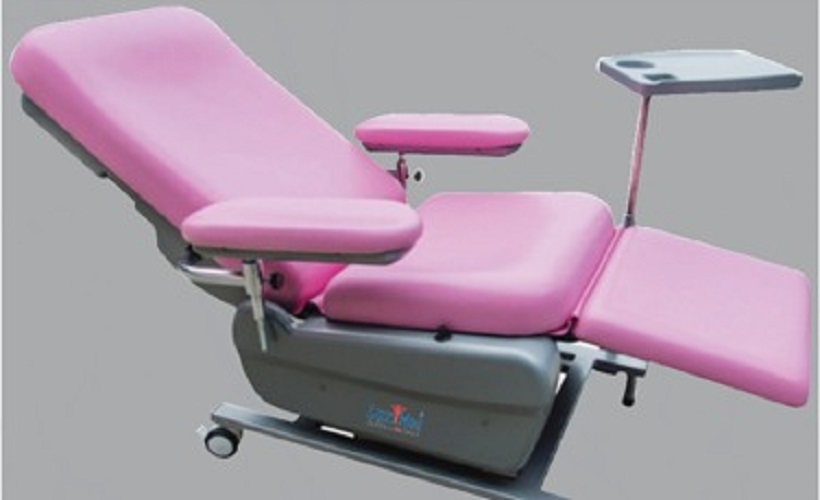
LuxMed Blood Donor Coach
Price 150000.0 INR / Unit
Minimum Order Quantity : 1 Number
Voltage : 220 V / 440 V Volt (v)
Application : Mobile Blood Donation and Collection
Features : Reclining Donor Chairs, Air Conditioned, Onboard Refrigerator, Wash Basin, Emergency Bed, Hand Wash Unit, Medical Storage, Power Back Up, PA System
Power Supply : AC, Generator, Battery backup
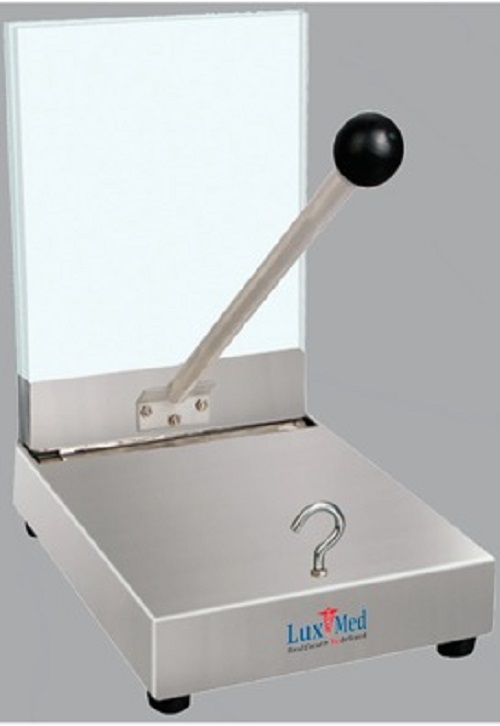
LuxMed Blood Plasma Extractor
Price 18000.0 INR / Piece
Minimum Order Quantity : 1 Number
Application : Separation of Blood Components in Blood Banks, Hospitals, Laboratories
Features : Spring Loaded Plate, Transparent Front Cover, Steel Structure, Stable Base
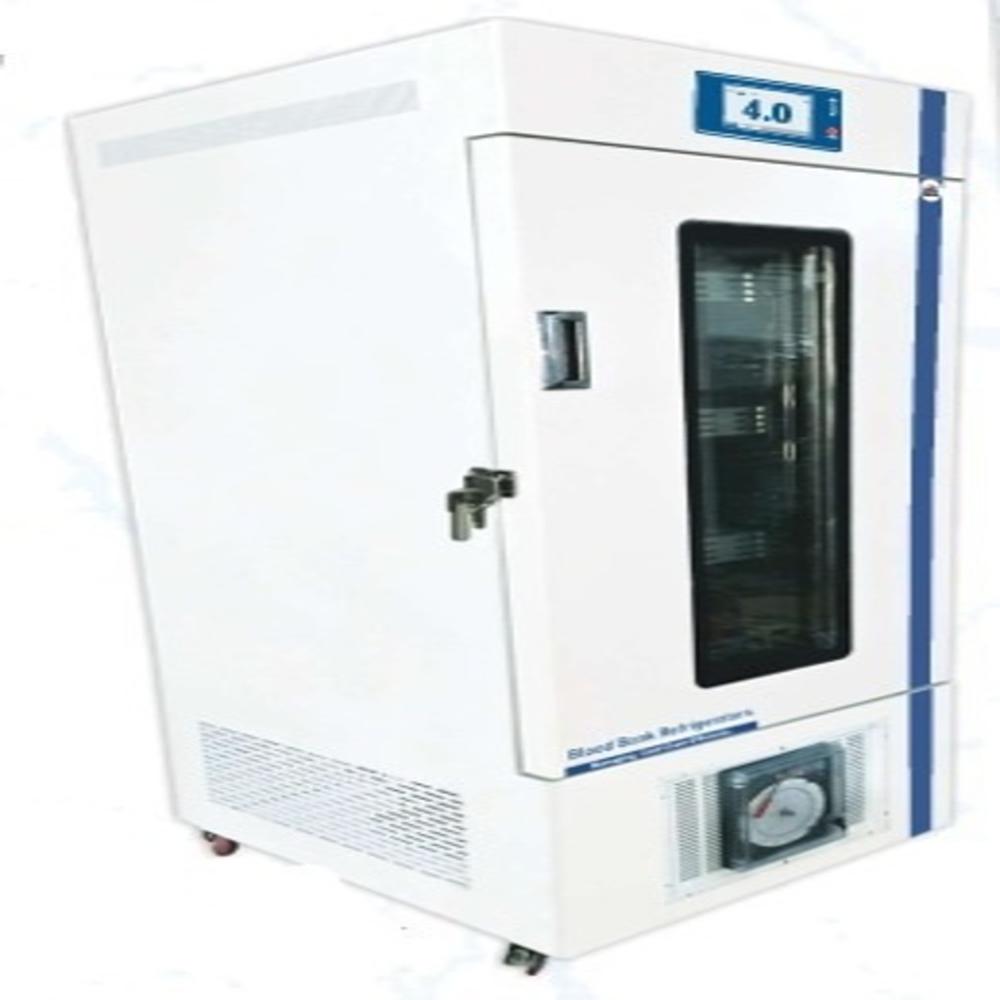
LuxMed Blood Bank Refrigerator
Price 260000.0 INR / Set
Minimum Order Quantity : 1 Number
Voltage : 220 to 240 Volt (v)
Application : Laboratory
Power Supply : Electric

 Send Inquiry
Our Products


B 232, Ground Floor, Khasra No. 832, Chattarpur Extension,New Delhi - 110074, India

Mr. Ankit Jha
(CTO)
Mobile :08045815486
 Send Inquiry
 Send SMS
 Call Me Free
Developed and Managed by Infocom Network Private Limited.
